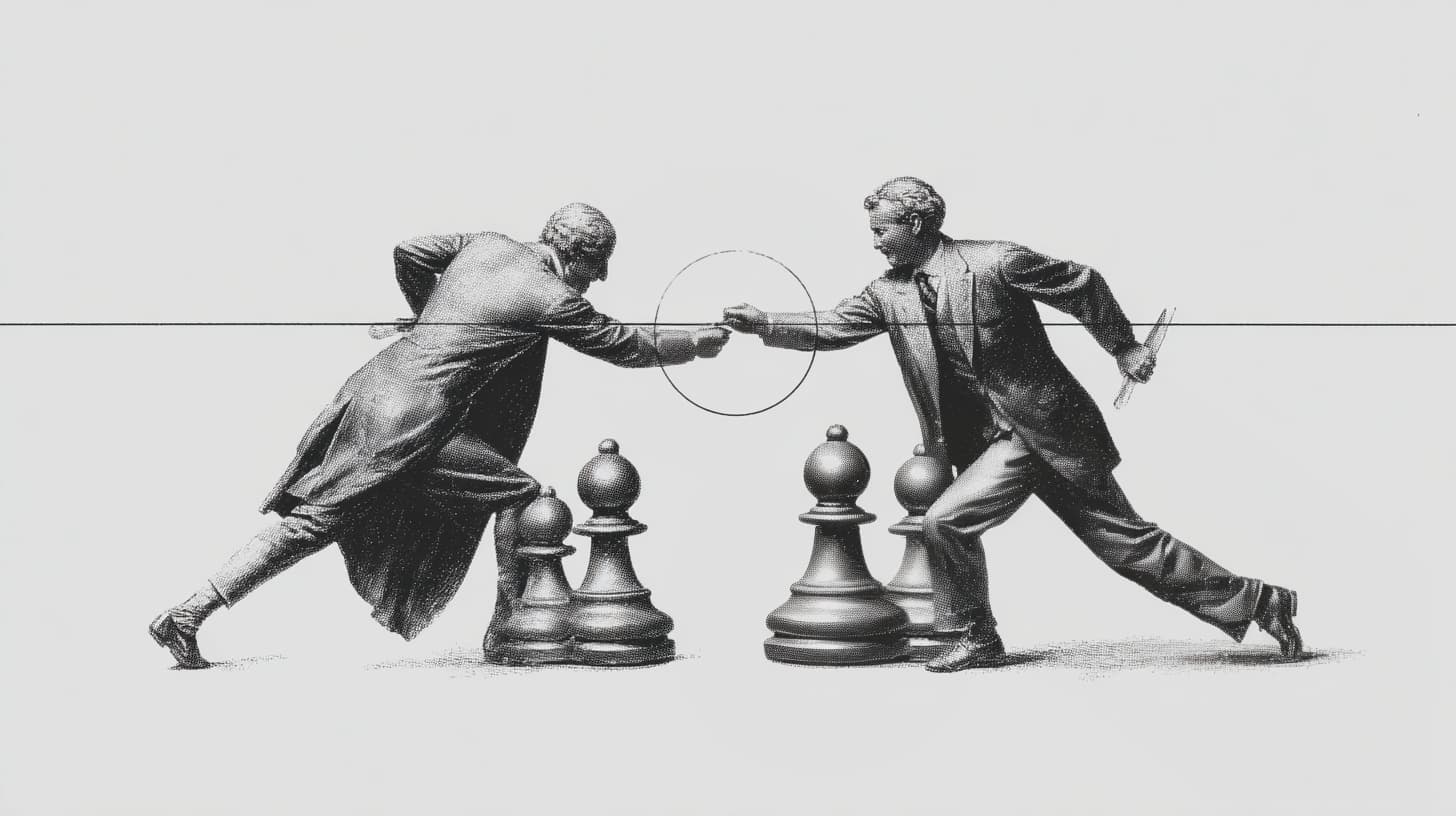
How Brands Accidentally Create Anti-Persuasion in Pitches, Brochures and Sales Decks

How Brands Accidentally Create Anti-Persuasion in Sales Presentations

By Marketing Strategy & Growth, Branding & Identity, Business Strategy & Positioning, Case Studies & Real-World Examples
The Hidden Problem — Sales Decks Create the Illusion of Selling Most brands still believe their sales collateral is a digital closer. The logic goes like this: more clarity + more proof = more conversions. So they cram it with credentials, market stats, case studies, and feature lists. It feels…
Read More

The Unspoken Reasons Buyers Choose Someone Else (and how to fix them)

By Business Strategy & Positioning, Branding & Identity, Conversion Optimization & Sales Psychology, Marketing Strategy & Growth
They’ll never say it to your face. But these 6 silent signals are enough to make a buyer walk away — long before you even know they were looking. Buyers don’t usually sit down and say, “Here’s why we went with your competitor.” They thank you politely, tell you it…
Read More
B2B Storytelling - Marketing Agency for B2B Brands

People Buy Stories, Not Solutions. Make Sure You’re Telling the Right One

By Marketing Strategy & Growth, Influence & Consumer Psychology, Lead Generation & Demand Creation, Thought Leadership & Authority Building
People Buy Stories, Not Solutions. Make Sure You're Telling the Right One You know this already: your product isn’t what they’re buying. But what most people get wrong is why they buy at all. It’s not logic. It’s not features. It’s not even urgency. It’s story. But not yours. It’s…
Read More
the clarity premium - why buyers pay more when they understand faster

The Clarity Premium: Why Buyers Pay More When They Understand Faster

By Branding & Identity, Conversion Optimization & Sales Psychology, Influence & Consumer Psychology, Luxury & Premium Brand Strategy, Marketing Strategy & Growth, Thought Leadership & Authority Building
I. The Clearest Message Wins....Always Two companies. Same offering. Similar pricing. Identical tech under the hood. But one gets the deal — at full price — and the other gets ghosted after the demo. Why? Because one was understood in less than five seconds. The other made the buyer think.…
Read More
The Compliance Trap: The Paradox of Playing It Safe

Why Playing It Safe Is the Riskiest Move in High-Stakes Sales

By Branding & Identity, Business Strategy & Positioning, Influence & Consumer Psychology, Lead Generation & Demand Creation, Marketing Strategy & Growth, Thought Leadership & Authority Building
I. The Compliance Trap: The Paradox of Playing It Safe In high-trust industries like HealthTech, FinTech, LegalTech, even enterprise AI—most brands assume that playing it safe is the surest path to trust. They lead with compliance, drown in disclaimers, and write like their buyers are all regulatory inspectors. The instinct…
Read More
You’re Not Just Selling Expertise — You’re Selling 'Epistemic Trust'

You’re Not Just Selling Expertise — You’re Selling ‘Epistemic Trust’

By Business Strategy & Positioning, Conversion Optimization & Sales Psychology, Influence & Consumer Psychology, Marketing Strategy & Growth
Why Technical Capability Loses to Interpretive Authority HP Field Notes | Highly Persuasive An industrial automation supplier spent 18 months building a case for their predictive maintenance platform. They had superior sensor accuracy, better algorithms, and a lower total cost of ownership than the incumbent. The technical comparison wasn't close.…
Read More
We Judge Brands Like We Judge People on a First Date

How Buyers Judge Your Brand in the First Few Seconds — Before a Single Word Has Been Read

By Branding & Identity, Conversion Optimization & Sales Psychology, Marketing Strategy & Growth, Thought Leadership & Authority Building
How Buyers Judge Your Brand in the First Few Seconds — Before a Single Word Has Been Read HP DemandSignals™ | Highly Persuasive In 1992, a team of Princeton researchers showed participants photographs of unfamiliar faces for exactly 100 milliseconds — less time than a blink — then asked them…
Read More
Close Menu