More bookings don’t always mean more profit—especially when 20–25% of every stay goes out in OTA commission. In Asia, OTAs are part of the landscape, but they’re also an expensive way to capture demand that often starts with your own brand.
Highly Persuasive is a hotel marketing agency working with independent hotels, resorts, and hospitality groups to build a stronger direct channel so you’re less exposed to OTAs and more in control of how guests find, choose, and book your hotel.
We look at how guests actually discover, research, and decide in your markets, then align brand, website, and marketing around that behaviour—making it easier and more natural for the right guests to book with you directly.
Featured In





We Work With All Kinds of Hotels, Resorts, Vaction Rentals
OTAs & Competitors Are Hijacking Your Bookings—How Do You Take Them Back?
If your property is solid but direct bookings haven’t kept pace or are underperforming, it’s usually not one big mistake. It’s more likely a mix of small and in many cases hidden issues that add up.
-
OTAs capturing most of the first click
Guests search your location, but see paid OTA listings first and never reach your site. OTAs are expensive, check out exactly how much your paying. -
Websites that inform, but don’t feel easy to book
Pages load slowly, room options feel complex, or the booking engine looks disconnected—so guests default back to the OTA they already trust. -
No clear plan for search and meta
Google, meta search, and brand campaigns are handled piecemeal, so you never quite defend your own demand. -
Brand and visuals that don’t support your rate
The experience on screen doesn’t match what you’re charging, which makes “compare on price” the default. -
Little structure for repeat and direct rebooking
Past guests enjoyed the stay, but there’s no consistent way to bring them back direct next time.
Our work starts by making these issues visible, then deciding which ones are worth solving first.
Get a Free Strategy Call
How We Grow Direct Bookings for Hotels
Every hotel has a different mix of markets, seasonality, and channels. We don’t push a single tactic. We design the mix that fits your property and commercial targets.
1. Make It Instantly Clear Why Guests Should Book With You
Message & Story – so the right guests “get it” in seconds
A lot of hotels communicate what they have (rooms, pool, breakfast). Fewer communicate why that matters to the guests they actually want.
We help you:
-
Put a simple, specific promise at the heart of your website and campaigns
-
Explain who you’re for and what makes you different without clichés
-
Make it easy for guests to repeat your story when they talk to friends, family, or colleagues
When the story is clear, guests stop comparing you purely on price and start comparing on fit.
2. Turn Your Website Into a Direct Booking Channel (Not Just a Brochure)
Website & Booking Flow – reducing friction from first view to confirmation
Your website doesn’t just need to look good; it needs to feel easy and safe to book.
We focus on:
-
Page layouts that match how guests actually decide: quick scan, deeper check, then book
-
Clear, visible calls-to-action and booking paths that work smoothly on mobile
-
The right reassurance at the right moments (reviews, policies, payment, security)
-
Removing unnecessary steps, distractions, and surprises in the booking process
More visitors who were “just checking” become guests who actually book direct.
3. Make Sure Guests Can Find You Before They Find Only OTAs
Search, OTAs & Paid Media – defending your demand
Many guests already have your hotel or area in mind—but meet you through OTAs or competitors because they appear first.
We help you:
-
Improve visibility on Google for searches around your location and category
-
Protect your own brand name searches so OTAs don’t always sit above you
-
Use Google Ads, meta, and retargeting to bring interested visitors back to your site
-
Coordinate spend with your seasons and occupancy goals, not just “always on” campaigns
You still appear on OTAs, but more guests start—or end—their journey on your own channels.
4. Build a Brand & Content System That Brings Guests Back Direct
Brand, Content & Retention – so guests remember you and return
Direct bookings aren’t only about first-time guests. They’re also about what happens after the stay.
We work with you to:
-
Strengthen your visual identity and tone so you’re recognised across channels
-
Use photography and video to show the experience, not just the amenities
-
Create simple follow-up flows (email, content, offers) that encourage guests to come back direct
-
Keep your brand consistent across website, OTAs, social, and on-property
When your brand feels coherent and familiar, it’s easier for past guests to choose you again—without going through intermediaries.
5. Make Your Offers & Packages Work For Direct Bookings
Offers & Packages – giving guests a clear reason to book direct
Many hotels have good rooms, good service—and offers that all look the same. When every channel shows the same rate with no clear advantage, guests simply book wherever feels easiest.
We help you:
-
Shape direct-only benefits (inclusions, flexibility, upgrades) that feel valuable without breaking your rate structure
-
Present packages in a way that’s simple to understand and easy to compare
-
Coordinate offers across your website, OTAs, and campaigns so direct always feels like a smart choice
The goal isn’t to discount everything. It’s to make booking direct feel quietly preferable.
6. Use Reviews & Reputation to De-Risk Booking Direct
Reviews & Social Proof – turning guest feedback into a booking asset
Guests trust other guests. But many hotels leave reviews scattered across OTAs and Google without using them to support direct bookings.
We help you:
-
Highlight the right reviews and ratings at key moments in the journey
-
Bring social proof into your website, not just leave it on third-party platforms
-
Identify patterns in guest feedback that can shape your messaging and offers
Done well, reviews don’t just look nice—they give guests the confidence to book with you directly, without needing a “second opinion” from an OTA.
7. Turn Past Guests Into Reliable Direct Bookers
Email & CRM – keeping your best guests in your own ecosystem
Most hotels know they “should” do more with email, but it slips behind daily operations. As a result, guests who loved their stay come back through OTAs, or not at all.
We work with you to:
-
Organise and clean existing guest data so it’s actually usable
-
Set up simple, on-brand email flows that keep you top of mind (without overwhelming inboxes)
-
Run targeted campaigns around seasons, events, and offers that make sense for your property
Make it easy and natural for happy guests to choose you again—and to do it direct.
8. Get Clarity on What’s Really Driving Bookings
Tracking & Reporting – so decisions aren’t based on guesses
Many hotels have Google Analytics, channel reports, and PMS data—but not a clear view of what’s actually working.
We help you:
-
Set up or refine tracking so website, campaigns, and bookings are connected
-
See which channels and campaigns are genuinely driving direct revenue
-
Make decisions based on booking behaviour, not just clicks or impressions
Get a simple, honest picture of where your direct bookings are coming from—and where to invest next.

Hotel Marketing Agency Services For Hotels & Resorts
At Highly Persuasive, we work with independent hotels, resorts, and hospitality brands that want a stronger direct channel—not just more online noise. We combine branding, website, SEO, paid media, content, and retention into one hotel-specific marketing system designed to increase direct bookings and reduce dependence on high-commission OTAs.
In markets as competitive as Thailand and APAC, standing out, presenting a clear story, and making it easy to book direct are no longer “nice to have” – they’re what protect your margin and your position.

Hotel Marketing
Strategic hotel marketing that connects your brand, website, and campaigns into one plan focused on direct revenue, not vanity metrics.

Hotel Content & Email
Content and email marketingbuilt around real guest journeys: stay top of mind, promote key periods, and turn past guests into repeat direct bookers.

Hotel Advertising
Always-on hotel advertising across Google and key channels to capture demand, support your seasons, and drive more guests to book direct.

Hotel Paid Social
Targeted paid social campaigns that reach the right audiences with the right message, then guide them back to your site to enquire or book direct.

Hotel Website Design
Direct booking–focused hotel websites that are fast, clear, and easy to use on mobile—designed to make guests feel comfortable booking with you.

Hotel Video & Photo
Photography and video that show the real experience of staying with you, giving your website, ads, and social channels assets that actually sell the property.

Hotel SEO & AI Search
Make your hotel discoverable in Google & emerging AI search so the right guests can find you when they’re planning—& reach your site instead of just OTAs.

Hotel Branding
Brand strategy and visual identity for hotels that need to stand out in competitive destinations and justify stronger rates with a clearer story.
Selected Hotel, Resort & F&B Work
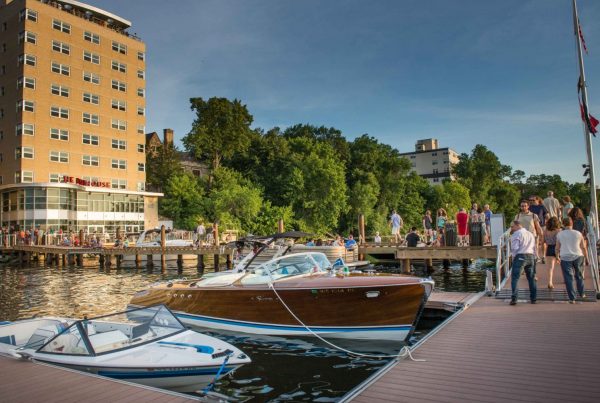
The Edgewater Hotel — Direct Booking Growth & Hotel Marketing Programme
The Edgewater Hotel — Direct Booking Growth & Hotel Marketing Programme
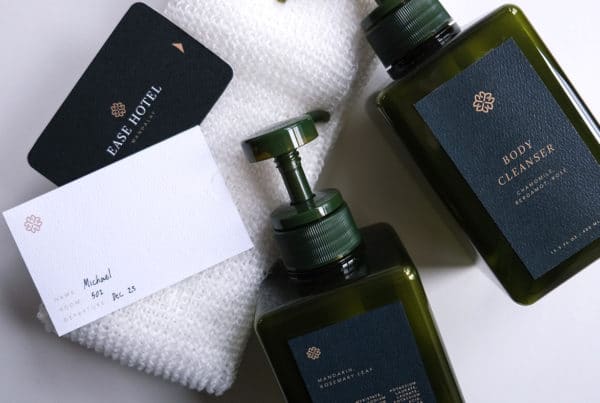
Hotel Brand Identity Design – Ease Hotel | Hospitality Branding Firm
Hotel Brand Identity Design – Ease Hotel | Hospitality Branding Firm

Hotel & Resort Branding Case Study – The Crystal – Koh Samui
Hotel & Resort Branding Case Study – The Crystal – Koh Samui

Cafe Brand Identity Design – The Hub Samui Case Study
Cafe Brand Identity Design – The Hub Samui Case Study
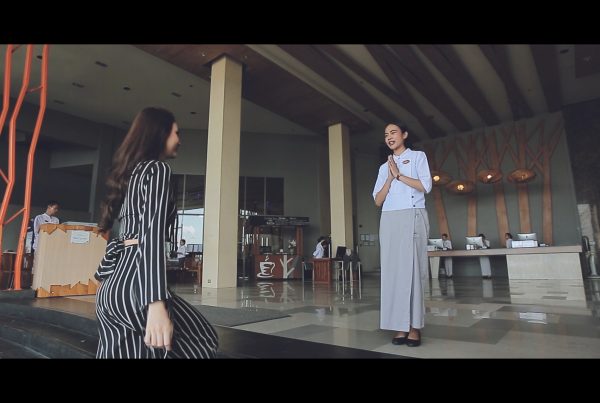
Kalima – Hotel Brand Video
Kalima – Hotel Brand Video
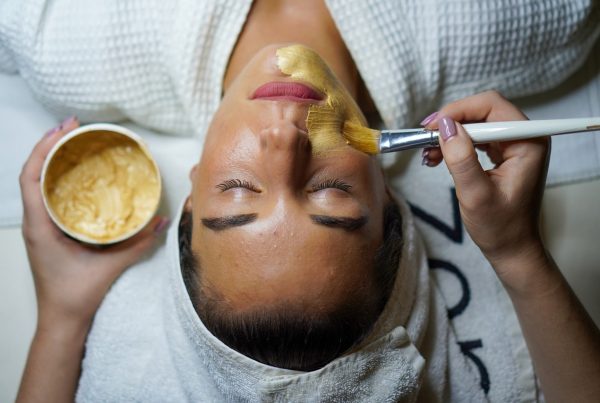
Spa Website Design Case Study | Thai Massage Business Koh Samui | Highly Persuasive
Spa Website Design Case Study | Thai Massage Business Koh Samui | Highly Persuasive
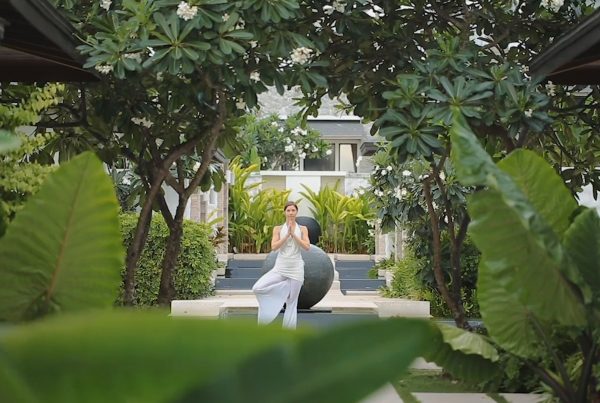
The Racha – Hotel Brand Video
The Racha – Hotel Brand Video
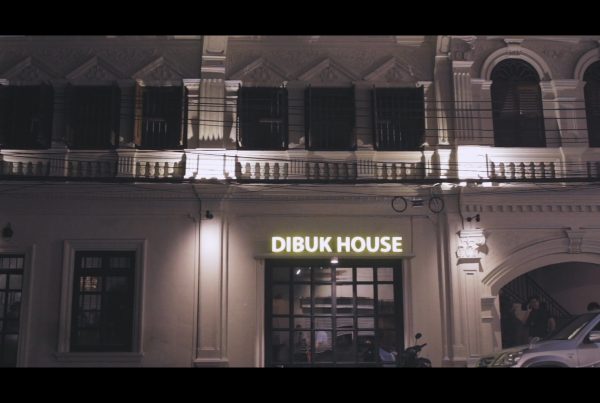
Dibuk House Phuket – Brand Video
Dibuk House Phuket – Brand Video

Kokulo Beach Club – Event Video
Kokulo Beach Club – Event Video
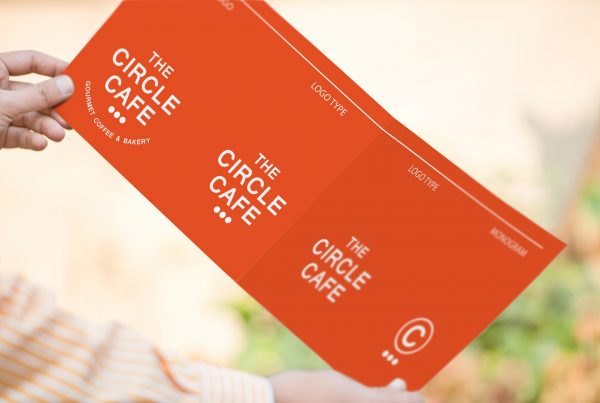
Café Branding & Identity Design for The Circle Café – Restaurant Branding
Café Branding & Identity Design for The Circle Café – Restaurant Branding
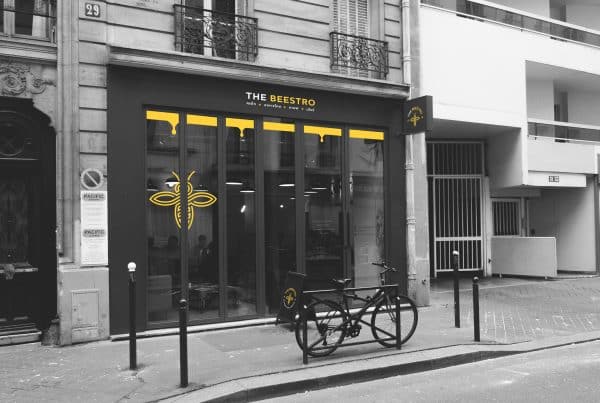
Restaurant Brand Identity Design for The Beestro – F&B Branding in Bangkok
Restaurant Brand Identity Design for The Beestro – F&B Branding in Bangkok
Recent Marketing Campaign Results

Quality Work
“We needed a digital experience to match the new space. Highly Persuasive helped bring our vision to life and got us ranking on Google for keywords we didn’t even think about.”
Hassan M, – Owner – The Hub Samui
Ready to Strengthen Your Direct Bookings?
Make It Easier For Guests To Book Direct & Stop Paying OTA Fees
Our campaigns are built on a system designed to align every touchpoint with how guests actually choose, compare, and commit to bookings. From first click to final conversion, we apply behavioral strategy across channels to remove friction, build trust, and drive direct revenue. We’ll help you reach your ideal guests, stay top of mind through strategic remarketing, and convert at the point of highest intent. This isn’t generic hospitality marketing. It’s conversion architecture, tuned for hotels.
Hotel Marketing – Frequently Asked Questions
1. What is hotel marketing and why is it important for direct bookings and revenue?
Hotel marketing is everything you do to make the right guests aware of your property, help them understand why you’re a good choice, and make it easy for them to book—preferably directly with you.
It combines brand, website, content, SEO, OTA presence, online reviews, paid campaigns, social media, email, and on-property touchpoints into one system whose job is simple:
turn attention into profitable bookings.
Why does it matter so much for direct bookings and revenue?
First, because most guests now start their journey online. Even if someone hears about your hotel from a friend, chances are they will search your name, compare you on OTAs, check your website, quickly scan reviews, and then decide. If your hotel marketing is weak at any of those points—unclear positioning, slow site, outdated photos, confusing offers—guests quietly drift to the competitor who looks easier and safer to book.
Second, because distribution costs matter. OTAs are useful, but their commissions directly reduce your profit per room. Good hotel marketing doesn’t try to eliminate OTAs; it shifts more demand towards direct channels so you can keep more revenue from each booking and build a stronger relationship with the guest.
Well-structured hotel marketing supports revenue in at least five ways:
-
Higher direct share: More guests book via your website or direct channels instead of OTAs.
-
Better rate confidence: When your brand, photos, and story are strong, guests are more comfortable paying your target rates.
-
Improved guest mix: You attract more of the guests you actually want (longer stays, better spend, fewer complaints).
-
More repeat business: Email and CRM marketing keep previous guests coming back directly, without going through middlemen.
-
Stronger reputation: Consistent messaging and follow-up encourage better reviews and referrals, which feed the whole system.
For owners and GMs, hotel marketing is not “doing social media” or “running a few ads.” It’s building a repeatable, measurable growth engine that:
-
Makes sure the right people find you
-
Presents your property clearly and confidently
-
Encourages them to book through the most profitable path
-
Supports long-term rate and brand strength, not just short-term occupancy
If you already invest in operations, service, and property upgrades, effective hotel marketing is what ensures that investment actually shows up in the way guests see—and choose—you.
2. How can a hotel marketing agency help my hotel increase direct bookings and reduce OTA commission?
Most hotels today work with a mix of channels: OTAs, direct website bookings, corporate or group business, and sometimes local partners. OTAs are useful, but the commission they charge can limit margin and make revenue less predictable.
A hotel marketing agency can help you rebalance this mix so that, over time, a larger share of bookings comes through your own channels.
There are a few key areas where we typically support hotels:
1. Clarifying your direct value proposition
Guests often discover hotels through OTAs but will research further before booking. If your own website and messaging do not make a clear case for booking direct, many guests will simply return to the OTA they already know. We help you define:
-
What guests gain by booking direct
-
How your hotel is positioned against nearby alternatives
-
How to express this clearly across web, OTAs, and marketing materials
2. Strengthening your website as a book-direct experience
A hotel website should not only look attractive; it should feel reliable and easy to use. We work on:
-
Clear navigation and room information
-
Strong, reassuring calls to action
-
Content that answers common questions before the guest has to ask
-
A smooth path from browsing to booking
When this experience feels familiar and safe, more guests are comfortable completing the reservation directly.
3. Using SEO and paid media to support your direct channels
Instead of sending all paid traffic to OTAs, we focus on guiding interested guests to your own site:
-
Search campaigns around your name, location, and key demand drivers
-
SEO content that matches how people plan trips in your area
-
Retargeting for visitors who viewed your property but did not book
These activities are designed to bring more qualified visitors into your booking engine, not only to your profiles on third-party platforms.
4. Supporting repeat and referral bookings
Past guests are often the easiest to convert directly. A marketing agency can help set up simple email and CRM flows that:
-
Keep your hotel in mind after the stay
-
Offer reasons to return direct
-
Encourage guests to share or recommend your property
The intention is not to switch off OTAs, but to gradually build stronger direct channels alongside them. Over time, as your brand becomes clearer and your website performs better, you can rely slightly less on commission-heavy channels and keep more revenue in the property.
3. What should be included in a hotel digital marketing strategy if we want more direct bookings?
A hotel digital marketing strategy is most effective when it is built around a clear outcome: in this case, a higher share of bookings coming through your own channels at sustainable rates.
Rather than treating each activity separately, we recommend looking at the full journey from first discovery to repeat stay.
A balanced strategy usually includes:
1. Clear commercial objectives
Before choosing channels, it helps to define:
-
Current and target direct vs OTA ratio
-
Priority markets and guest segments
-
Rate and occupancy goals for the next 12–24 months
These provide a framework to decide where to focus time and budget.
2. Brand and website foundations
Digital activity will amplify whatever exists today. If your positioning is unclear or your website feels outdated, it will be harder to grow direct bookings. Many successful strategies begin with:
-
A refined brand story and value proposition
-
Updated visuals and photography that match the on-property experience
-
A website designed to support direct bookings, with strong information hierarchy and clear calls to action
3. Search and content
Guests rely heavily on search when planning trips. A direct-booking focused strategy typically includes:
-
Branded search protection (ensuring your own site is a strong option when people search your hotel name)
-
Destination and intent-based content (e.g., area guides, “where to stay near…”, content for families or business travellers)
-
Local SEO, including your Google Business Profile and map visibility
This helps you appear when guests are actively considering where to stay.
4. Paid media and metasearch
Thoughtful use of Google Ads, social campaigns, and metasearch can support:
-
Visibility in key periods or for specific source markets
-
Protection of your brand terms from heavy OTA bidding
-
Retargeting of visitors who showed interest but did not book
Budget is allocated based on expected return and adjusted regularly as data comes in.
5. Reputation and social proof
Reviews and ratings strongly influence booking decisions. A modern strategy should include processes for:
-
Monitoring and responding to reviews
-
Encouraging satisfied guests to share feedback
-
Highlighting genuine reviews and scores in your own channels
6. Email and guest relationship management
For many hotels, the guest database is underused. Email can play an important role in:
-
Bringing past guests back direct
-
Communicating special periods, packages, or events
-
Staying present in a way that feels respectful and useful
Finally, a digital marketing strategy should include regular review points. Together, we look at performance, discuss what is working well, and agree on adjustments. The aim is a calm, structured approach that steadily improves direct bookings, rather than short-term, reactive campaigns.
4. How much should a hotel budget for marketing and branding each year?
There isn’t one fixed number that suits every property, but there are helpful ranges and principles that hotel owners and GMs can use to guide decisions.
Most hotels think about budgets in three connected areas:
-
Branding & identity (often more “one-off” or periodic)
-
Ongoing hotel marketing (digital, content, SEO, campaigns, photography updates)
-
Distribution costs (OTA commission, wholesaler margins, etc.)
A useful way to look at it is:
“We are already paying for marketing. The question is how much of that goes to our own brand vs external platforms.”
For many mid- to upper-scale hotels and resorts, a common annual range for marketing and branding is somewhere between 3–6% of total revenue, depending on market conditions and growth ambitions. Some properties spend more in years when they renovate, reposition, or open a new outlet.
Within that:
-
Branding / rebranding / identity work is often a focused project every few years (or at key milestones like renovation, repositioning, new management). That might be budgeted as a project cost rather than as monthly spend.
-
Hotel digital marketing (SEO, paid search, content, social, email, website optimisation) is usually budgeted monthly or quarterly, then adjusted based on performance.
-
Distribution (OTA commission, GDS fees, etc.) is effectively a variable marketing cost tied to how many bookings come through those channels.
From a Highly Persuasive point of view, a healthy structure often looks like:
-
Initial brand and website alignment
A defined project to ensure your hotel’s brand, website, and booking journey reflect the level of experience and rate you want to sustain. This is a foundational investment. -
Ongoing “brand performance” budget
A monthly or quarterly amount allocated to activities that support direct bookings and brand strength: SEO, content, CRO (conversion optimisation), creative updates, photography refreshes, and selected paid campaigns. -
Monitored distribution costs
An explicit understanding of how much is going to OTAs and third parties each month. Over time, some part of that commission can be reallocated into your own channels, if direct share improves.
A few practical guidelines:
-
If your total marketing spend is very low but your OTA commission is very high, it may be worth gradually shifting a portion of what you effectively pay to OTAs into branded, direct-focused marketing.
-
If you are planning a repositioning, renovation, or new opening, it is wise to reserve budget not only for physical upgrades, but also for brand, website, and launch marketing. Without that, the market often continues to see the “old version” of the hotel.
-
Budget should be tied to clear expectations: stronger direct share, improved rate confidence, and better visibility in key markets. That way, you can review whether the investment is moving the numbers you care about.
The exact figures depend on your scale, location, category, and ambitions. The key is to treat branding and hotel marketing as part of your commercial plan, not simply as a discretionary creative cost. When that mindset is in place, budget decisions become much clearer and easier to justify.
5. What is the difference between hotel branding and hotel marketing, and do we really need both?
Branding and marketing for hotels are closely linked, but they play different roles.
You can think of it this way:
-
Hotel branding answers:
“Who are we for? How do we want guests to see us? What experience and value do we promise at our rates?” -
Hotel marketing answers:
“How do we reach the right guests, help them understand us, and make it easy for them to book—preferably direct?”
Branding is the foundation; marketing is the system that carries it to market.
In practical terms, hotel branding covers:
-
Name, logo, and full identity system (colours, typography, style)
-
Positioning and guest segments (who you are best suited for)
-
Brand story and key messages (how you explain your value)
-
Photography direction and tone of voice
-
How the brand appears on your website, OTAs, signage, and collateral
If branding is unclear, inconsistent, or outdated, guests find it harder to understand what kind of hotel you are and whether your rate is reasonable. Staff can also struggle to explain the property in a consistent way.
Hotel marketing, on the other hand, uses that brand to:
-
Attract attention through channels (SEO, OTAs, search ads, social, email)
-
Present information in a way that feels clear and reassuring
-
Support direct bookings by guiding guests through a well-structured website and booking path
-
Encourage repeat and referral business from previous guests
Marketing can increase visibility, but if the brand itself feels generic or misaligned with the on-property experience, the result is often higher traffic with modest impact on direct bookings or rate.
Do you need both? In most cases, yes—but not always at the same intensity.
Some examples:
-
If your property has recently renovated or repositioned, but your logo, website, and collateral still reflect the old version, branding and identity work are usually the first priority.
-
If your brand is clear and recent, but you are under-invested in digital, a focused marketing effort may be the best next step.
-
If you are launching a new hotel or entering a new market, doing both together—brand and marketing strategy—often leads to the strongest results.
At Highly Persuasive, we often begin with a Brand Performance Review: a structured look at both brand and marketing. We then recommend where to focus first:
-
Sometimes we suggest refining the brand story and identity, then extending into marketing.
-
Other times, we work with an existing brand and focus on strengthening the digital system around it.
The most important point is alignment. When hotel branding and hotel marketing are working together, guests see a coherent, premium experience from the first search all the way to checkout—and the hotel’s commercial results reflect that.
6. How long does it take to see results from hotel marketing, and what can we expect in the first 3–12 months?
Timeframes depend on your starting point, your market, and how much change you are willing to make, but there are some useful patterns.
We usually think in three horizons:
0–3 months: Foundations and early signals
In the first phase, many hotels focus on:
-
Clarifying positioning and key messages
-
Updating or refining key website pages and booking paths
-
Improving photography and how the property is presented on major channels
-
Adjusting direct booking benefits and calls to action
-
Setting up tracking and analytics properly
In this period, it is realistic to look for early signals rather than full results:
-
More time spent on site and deeper page views
-
Higher click-through to the booking engine
-
Cleaner, more consistent presence across OTAs, Google Business Profile, and social channels
-
Initial engagement on new content or campaigns
These indicators show whether the direction is right and provide a baseline for future comparison.
3–6 months: Visible impact on direct performance
Once the foundations are in place and the digital marketing activities have been running for a while, hotels often begin to see clearer movement in:
-
Direct bookings: an increase in reservations coming through your own website or direct channels
-
Booking engine conversion: more visitors who start the booking process completing it
-
Direct inquiries: more guests contacting you via forms, email, or messaging
If SEO and content are part of the plan, this is also when you typically see improved visibility for priority terms and destinations.
At this stage, small adjustments are important: refining copy, tailoring campaigns, improving page structure, or focusing on specific markets that are responding well.
6–12 months: Commercial patterns and rate confidence
Over a longer period, the goal is to see a more stable shift:
-
A higher share of bookings coming from direct channels compared with OTAs
-
More confidence in holding or gently improving ADR at key times
-
Stronger performance during certain seasons or in target segments
-
A higher proportion of repeat and referral bookings coming direct
This is also the timeframe where branding and hotel marketing investments begin to show up in reviews and perception: guests comment on the experience, the website, the ease of booking, and the overall impression of the property.
It is important to note that hotel marketing sits alongside other factors: demand trends, pricing, staffing, renovation, and broader economic conditions. Because of this, we recommend agreeing upfront on a small set of key metrics and reviewing them calmly at regular intervals.
When working with Highly Persuasive, hotels can expect:
-
Immediate clarity on where brand and marketing are helping or limiting performance
-
Early improvements in how the hotel is presented and how easy it is to book
-
A structured approach to digital activities that builds over time, rather than one-off campaigns
-
A gradual, sustainable improvement in direct performance as brand and marketing work together
In short, some signs appear quickly, but meaningful, stable change in hotel marketing is typically measured in months and quarters, not days. The aim is steady, reliable progress that owners and GMs can see in both guest behaviour and financial results.
7. Which hotel marketing channels are most effective for driving direct bookings?
Every market is different, but the most effective hotel marketing channels share one thing in common: they support your own direct booking path, not only third-party platforms.
Rather than trying to be “everywhere”, we usually help hotels focus on a handful of channels that work together.
Commonly, these are:
1. Your own website and booking engine
Strictly speaking, this is not a “channel”, but it is the centre of all direct hotel marketing. Nearly every other activity succeeds or fails based on:
-
How fast and mobile-friendly the site is
-
How clearly you explain what kind of hotel you are and who you’re for
-
How simple and reassuring the booking journey feels
If your website is difficult to use or doesn’t reflect the quality of your property, other channels may bring traffic, but fewer guests will convert.
2. Search (SEO and paid search)
Guests almost always search before booking. Two key areas:
-
Branded search – when people look for your hotel by name, your official site should be a strong, visible option, not hidden below multiple OTA entries.
-
Destination and intent search – phrases like “family hotel in…”, “boutique hotel near…”, or “best hotel for business in…”.
SEO and search ads help you appear in these moments. Done well, they can be a consistent source of qualified, direct visitors.
3. Google Business Profile and maps
For many guests, this is the first impression: photos, reviews, location, basic details. Keeping this updated, visually strong, and aligned with your brand is a simple but important part of hotel marketing.
4. OTAs as a visibility channel
OTAs are both a booking channel and a marketing channel. We treat them as places where guests often discover the hotel, then encourage those guests to feel confident booking direct in the future by:
-
Keeping your OTA presence visually and verbally aligned with your brand
-
Ensuring there are clear reasons to consider your own site next time
5. Email and CRM (for repeat and direct guests)
Many hotels underuse the guest database they already have. Email is a quiet but powerful channel for:
-
Encouraging previous guests to return direct
-
Sharing updates, soft-period offers, or new experiences
-
Maintaining a relationship without relying on discount campaigns
6. Social media (selectively)
Social channels can support your brand and provide social proof, especially for resorts, boutique hotels, and properties with strong F&B or events. The key is to use them in a focused way—quality over quantity—and, when appropriate, guide people back to your direct channels.
At Highly Persuasive, we help hotels choose a balanced mix based on their category, location, and team capacity. Not every property needs to push every channel at full strength. The most effective hotel marketing tends to come from a small number of well-managed channels, all pointing clearly towards a direct booking path that guests trust.
8. What is hotel SEO and how can it help my hotel get more direct bookings?
Hotel SEO (search engine optimisation) is the process of helping your hotel appear more prominently in search results when potential guests are planning trips, comparing options, or looking for your property by name.
The aim is simple: more of the right visitors reaching your official website and, from there, your booking engine.
Hotel SEO usually works on three main levels:
1. Technical and structural health
Search engines need to be able to understand and load your site efficiently. This includes:
-
Mobile-friendly design and fast loading times
-
Clean site structure and internal links (rooms, offers, facilities, area information)
-
Correct use of titles, headings, meta descriptions, and schema where appropriate
When this foundation is in place, search engines can index and rank your content more reliably.
2. On-page optimisation and content
Here, the focus is on what guests are actually searching for and how your website answers those needs:
-
Core pages optimised for your main terms: “hotel in [destination]”, “[destination] resort”, “[destination] boutique hotel”, etc.
-
Strong content around rooms, facilities, location, and experiences, written in clear, guest-friendly language
-
Additional content (often in a blog or guide format) that answers trip-planning questions: things to do nearby, how to choose where to stay, local tips for families, couples, or business travellers
This kind of content positions your site as a helpful resource, not just a brochure, and increases the chances that guests find you earlier in their planning.
3. Local SEO and off-page signals
For hotels, local visibility is important:
-
Optimising and maintaining your Google Business Profile
-
Consistent name, address, and phone details across directories
-
Earning genuine links and mentions from relevant sites (local tourism, press, partners)
Reviews and ratings also play a part. While they are not the only factor, a consistent flow of authentic, positive reviews can support both rankings and guest confidence.
How does this help direct bookings?
-
When someone searches your hotel by name, a strong SEO setup gives your official site a better chance of being the natural click, not only OTA listings.
-
When travellers search more general terms (“best family hotel in…”, “hotel near [landmark]”), you have an opportunity to be discovered as a serious option.
-
When past guests or referrals search for you, your official channels are easy to find and trust.
At Highly Persuasive, we treat hotel SEO as a longer-term asset that supports direct growth. It rarely produces overnight changes, but over months it can build a steady flow of qualified visitors who are already interested in your location and type of property. Combined with a clear brand and a strong booking experience, SEO becomes one of the more cost-effective parts of hotel marketing.
9. How can social media marketing help hotels attract more guests and support direct bookings?
Social media marketing for hotels is most effective when it is used to support your brand and guest relationships, rather than trying to replace your core booking channels.
In practice, social media can help hotels in several ways:
1. Show the real experience, not just staged photos
Guests want to see what staying with you really feels like: rooms, views, lobby atmosphere, breakfast, pool areas, and the surrounding neighbourhood. Social media allows you to:
-
Share everyday moments that are difficult to capture in formal photography
-
Highlight small details that guests appreciate (welcome drinks, local touches, staff warmth)
-
Reflect the mood at different times of year
This builds a more human, relatable picture of the property.
2. Support your brand positioning
If your brand is about calm, urban convenience, adventure, wellness, or design, your social content can reinforce that positioning over time. Guests who discover you through OTAs or search often review your social channels to “sense-check” whether the hotel fits them. Consistent, thoughtful content can give them confidence.
3. Provide social proof and reassurance
User-generated content, tagged posts, and guest stories can be featured (with permission) to show that real people enjoy staying with you. For many travellers, especially in new destinations, this becomes an informal form of recommendation.
4. Engage local audiences and support F&B or events
For hotels with restaurants, bars, or event spaces, social media can:
-
Promote special menus or seasonal offers
-
Highlight events, live music, or collaborations
-
Build a local following that supports revenue beyond room nights
This is particularly useful for city hotels and resorts with strong F&B concepts.
5. Guide interested guests towards your direct channels
Social media should not be the final booking step; it should act as a bridge. In a well-structured hotel marketing approach, social posts and profiles:
-
Link clearly to your website and booking engine
-
Mention direct booking benefits when appropriate
-
Invite followers to join your email list or members programme, where you have a more direct relationship
6. Listen and learn
Comments, messages, and engagement patterns can tell you:
-
Which aspects of the hotel guests appreciate most
-
Which questions come up repeatedly (good material for website FAQs or content)
-
How different markets respond to different types of storytelling
This feedback can shape not only your social media, but also your broader marketing and, sometimes, guest experience.
At Highly Persuasive, we usually recommend a focused social approach: a small number of platforms managed consistently, rather than many channels updated irregularly. Social media works best for hotels when it strengthens brand perception, supports F&B and local reputation, and gently guides interest towards direct channels—rather than acting as a standalone booking solution.
10. What are the most common hotel marketing mistakes that quietly cost revenue?
Many hotels are actively “doing marketing”—posting, boosting, updating OTAs—yet see little change in direct bookings, rate confidence, or guest mix. Often, the issue isn’t lack of activity; it’s a few quiet mistakes that weaken the overall system.
Some of the most common patterns we see:
1. Treating branding and marketing as separate topics
Branding is often handled once (“we did the logo already”), and marketing is handled continuously. In reality, they affect each other every day. If your positioning, visuals, and story are unclear or outdated, marketing will work harder for smaller results. Guests may click, but they don’t instantly understand:
-
What kind of hotel you are
-
Whether your rate is fair for your category
-
Why they should choose you over similar options nearby
A small amount of brand alignment upfront often improves the performance of everything else.
2. Sending paid traffic to a weak or confusing website
It’s common to see hotels investing in search ads and social media, while the website:
-
Loads slowly, especially on mobile
-
Uses old photos that don’t match the current experience
-
Hides key information behind multiple clicks
-
Makes the booking button hard to find or unclear
In that situation, every campaign is driving people into a funnel with unnecessary friction. Before increasing spend, it usually pays to make the booking journey simpler, clearer, and more reassuring.
3. Letting OTAs define the story
OTAs are useful, but their main goal is to make comparisons easy across many hotels. If your own channels do not provide a stronger, more complete story—better photos, clearer information, direct benefits—guests may rely on OTAs as their “source of truth”, even if they like your property.
Ideally, OTAs introduce you. Your brand and website complete the picture and make guests comfortable booking direct next time.
4. Trying too many channels at once
Some hotels feel pressure to be active on every new platform: multiple social networks, many content formats, numerous campaigns. Internally, this can stretch the team and dilute results.
Often, a more effective approach is to choose a small number of channels that match your guests’ behaviour and manage them consistently, with clear roles for each.
5. Focusing only on “filling rooms” instead of guest mix and margin
Short-term campaigns aimed purely at occupancy can create dependency on discounting and low-margin channels. Over time, this can weaken rate perception. A more stable strategy looks at:
-
Which guests stay longer or spend more on-site
-
Which markets produce more repeat and referral business
-
How to encourage those guests to book direct next time
6. No clear measurement framework
Without a simple set of agreed metrics—direct vs OTA share, website conversion, key source markets—it’s difficult to see which activities are supporting your goals.
At Highly Persuasive, we usually start with a short Brand & Marketing Diagnostic. The aim isn’t to criticise; it’s to calmly identify where small adjustments in brand, website, or channel mix can produce clearer, more commercial improvements in the months ahead.
11. Do independent or boutique hotels need a different hotel marketing strategy than large chains?
Independent and boutique hotels often face a different situation to large chains, even in the same city. The fundamentals of hotel marketing are similar—clarity, trust, visibility, and an easy booking path—but the emphasis can be quite different.
A few key distinctions:
1. Brand recognition vs brand creation
Large chains benefit from established names and global loyalty programmes. Guests already have expectations before they arrive at the website.
Independent and boutique hotels typically need to create that recognition from scratch:
-
A clear, distinctive identity
-
A strong sense of place or concept
-
Visuals and messaging that quickly communicate “what kind of experience this is”
For independents, branding is often the main lever that allows them to sit beside larger competitors with confidence.
2. Booking behaviour
Guests booking chain hotels may be driven by loyalty points, corporate agreements, or brand familiarity.
Guests booking boutique and independent properties are often more influenced by:
-
Design and atmosphere
-
Neighbourhood and local experiences
-
Personal service or specific amenities
Hotel marketing for independents works best when it highlights those strengths and makes them easy to understand at a glance.
3. Distribution balance
Large chains usually have strong central systems and negotiated arrangements with OTAs and corporate partners.
Independent hotels may rely more heavily on OTAs, especially in early years. A tailored marketing strategy can help shift the balance, by:
-
Making the official website a confident, bookable alternative
-
Using SEO and content to appear earlier in the planning journey
-
Encouraging repeat guests to return direct
4. Use of storytelling and visual identity
Boutique and independent hotels often have rich stories: architecture, history, local partnerships, owner vision. When shaped into a clear brand narrative, these stories become powerful differentiators.
A strong identity—logo, colour, typography, photography style—helps the property look “bigger” than its size and gives partners, travel advisors, and guests something they can easily recognise and describe.
5. Resource and team structure
Independent hotels may not have large in-house marketing teams. A realistic strategy should respect that:
-
Focus on a few channels that can be maintained reliably
-
Provide templates and guidelines staff can use daily
-
Build assets (brand, website, content) that keep working over time
At Highly Persuasive, we often find that independent and boutique hotels benefit most from:
-
A clear brand platform and identity system
-
A high-performing, book-direct website
-
A focused mix of SEO, search marketing, and email
-
Selective use of social media that suits their concept
The goal is not to behave like a chain, but to create a confident, premium presence that fits the scale of the property and the expectations of its guests.
12. How does Highly Persuasive work with hotel teams, and what does a typical collaboration look like?
Every property has its own structure, ownership style, and internal resources. Our role at Highly Persuasive is to fit into that context in a way that feels clear, respectful of time, and commercially useful.
A typical collaboration usually follows four stages.
1. Initial conversation and brand performance review
We begin with a structured discussion around:
-
Your current position: category, location, guest mix, distribution
-
Recent changes: renovation, management shifts, new outlets, market developments
-
Commercial priorities: direct vs OTA mix, rate goals, target markets
From there, we conduct a Brand & Marketing Diagnostic looking at:
-
How your brand appears across your website, OTAs, search, and social
-
How easy and reassuring it is to book direct
-
Where perception might not fully reflect the on-property experience
This gives both sides a clear picture of where brand and marketing are supporting performance, and where there may be room to strengthen.
2. Joint planning of scope and priorities
Rather than applying a fixed package, we agree priorities together. For some hotels, the first focus is:
-
Brand strategy and identity
-
Website and booking experience
For others, it may be:
-
Digital marketing around a recent renovation
-
Support for direct growth in one or two key markets
We outline scope, timelines, responsibilities, and how we will measure progress. Owners, GMs, and senior marketing or sales leads are usually involved in this stage.
3. Collaborative working process
Most of our work is done remotely, which suits properties across Asia and beyond, but we work to keep communication straightforward and predictable:
-
Regular check-ins (online meetings) at agreed intervals
-
Clear presentation of options, with rationale in commercial terms
-
Shared documents for feedback on copy, visuals, and structure
Where possible, we also integrate input from operations, front office, and F&B teams, especially when branding touches guest experience or internal communication.
4. Handover, support, and continued optimisation
Once major deliverables are live—new branding, website, campaigns—we:
-
Provide clear guidelines and assets your team can use
-
Walk through how to maintain consistency in daily use
-
Agree on a review rhythm for key metrics (for example, quarterly)
Some hotels choose an ongoing partnership, where we continue to support SEO, content, creative updates, and periodic campaigns. Others prefer a defined project with the option to return later. Both models can work; the key is clarity about expectations.
Throughout the process, our focus stays on:
-
Respecting local context and culture
-
Aligning with your commercial goals
-
Providing straightforward explanations and recommendations, so owners and GMs can make decisions comfortably
The intention is to become a long-term, trusted partner in how your hotel is seen and chosen, not just a supplier of isolated marketing tasks.
Client Reviews & Testimonials




Let’s Talk About Your Property
If you’re serious about elevating how your hotel / resort shows up, sells, and gets remembered — let’s talk.
Request a free momentum call to pinpoint exactly where your site, messaging, and/or funnel are causing buyers to pause — and how to turn hesitation into action.