Highly Persuasive is a full service hotel branding agency working with hospitality brands across APAC and internationally. We help owners and leaders build brands that support stronger direct bookings, higher guest trust, and long-term growth. From hotel brand positioning and messaging to visual identity and guest experience, every element is designed to influence how guests choose, remember, and return to your property.
When a hotel’s story isn’t fully clear or consistent across channels, guests tend to default to third-party platforms. We focus on closing that gap—clarifying your positioning, strengthening the signals that matter most, and helping your direct channels perform more like your best salespeople, backed by a practical strategy you can track.
For: Hotels, resorts, small villas / vacation rentals & boutique luxury properties.
Focus: Direct bookings, ADR, brand strategy, identity, positioning and brand perception.
Featured In



Recent Branding Projects
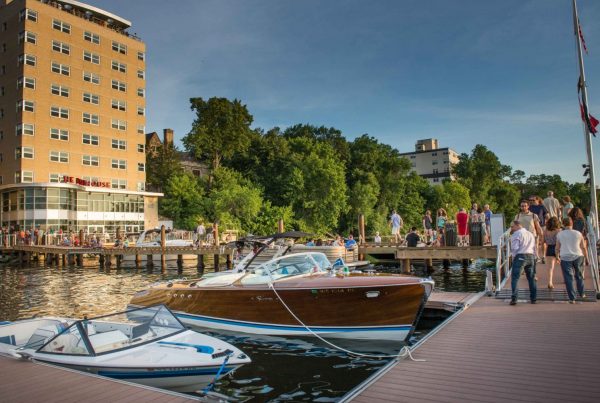
The Edgewater Hotel — Direct Booking Growth & Hotel Marketing Programme
The Edgewater Hotel — Direct Booking Growth & Hotel Marketing Programme
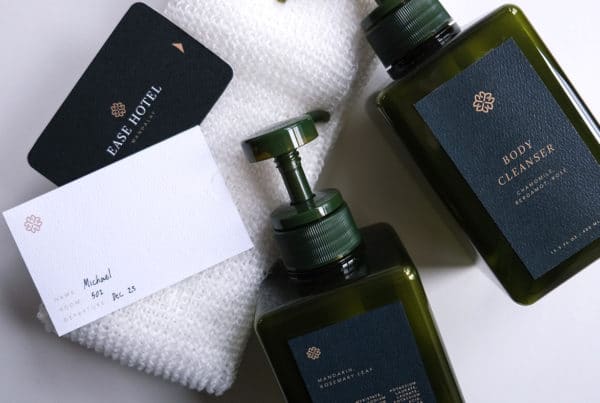
Hotel Brand Identity Design – Ease Hotel | Hospitality Branding Firm
Hotel Brand Identity Design – Ease Hotel | Hospitality Branding Firm

KSH Industrial — B2B Brand Identity System & Corporate Profile
KSH Industrial — B2B Brand Identity System & Corporate Profile
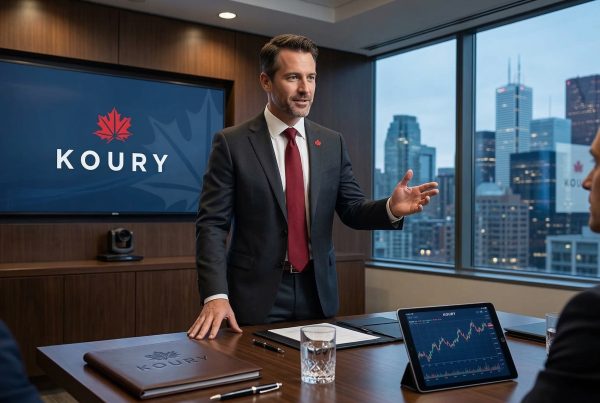
Koury Capital — Venture Capital Brand Identity & Institutional Credibility
Koury Capital — Venture Capital Brand Identity & Institutional Credibility

Hotel & Resort Branding Case Study – The Crystal – Koh Samui
Hotel & Resort Branding Case Study – The Crystal – Koh Samui
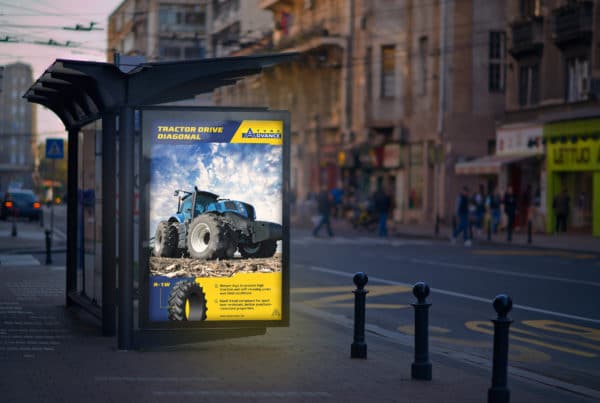
B2B Branding & Advertising Design for Advance Tyre – Industrial Marketing Case Study
B2B Branding & Advertising Design for Advance Tyre – Industrial Marketing Case Study

Cafe Brand Identity Design – The Hub Samui Case Study
Cafe Brand Identity Design – The Hub Samui Case Study
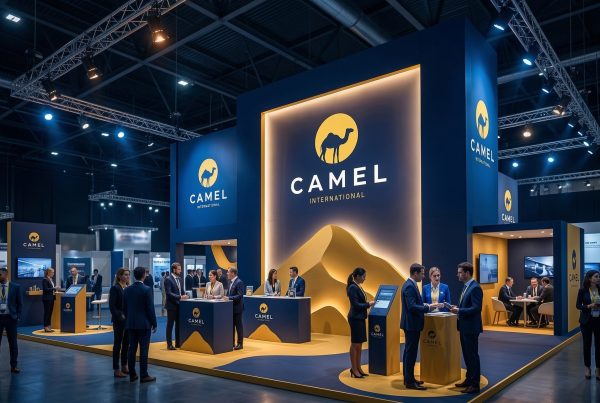
Camel International — B2B Food Ingredients Supply Chain Identity
Camel International — B2B Food Ingredients Supply Chain Identity
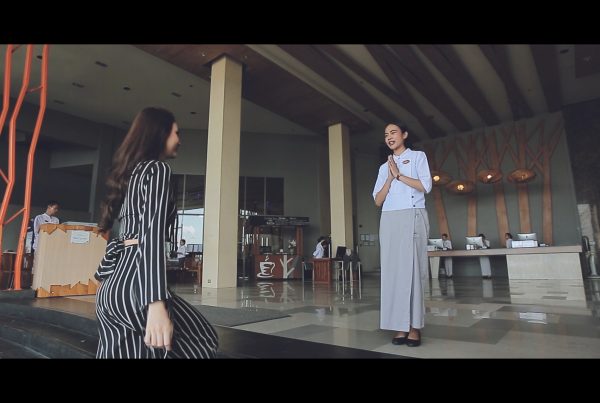
Kalima – Hotel Brand Video
Kalima – Hotel Brand Video
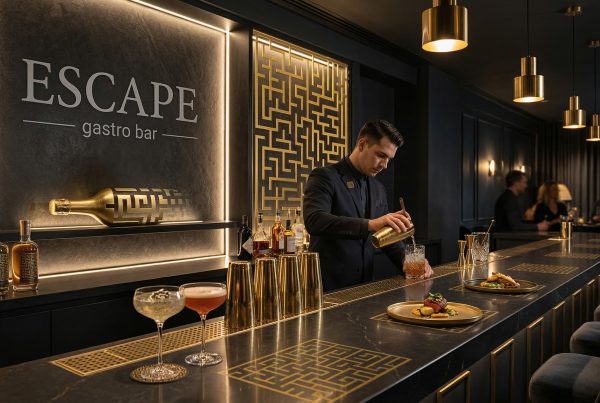
Restaurant Brand Strategy, Identity & Menu Design Case Study – Escape Gastro Pub
Restaurant Brand Strategy, Identity & Menu Design Case Study – Escape Gastro Pub
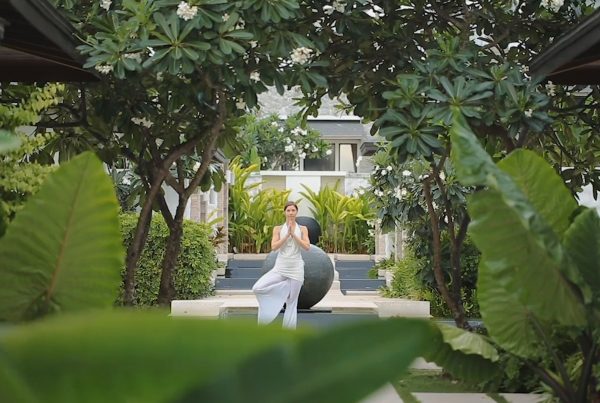
The Racha – Hotel Brand Video
The Racha – Hotel Brand Video
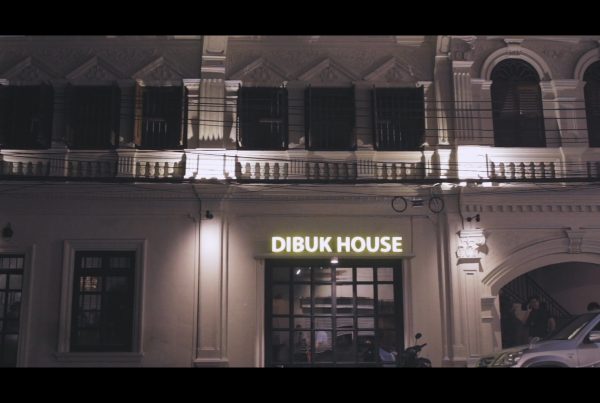
Dibuk House Phuket – Brand Video
Dibuk House Phuket – Brand Video
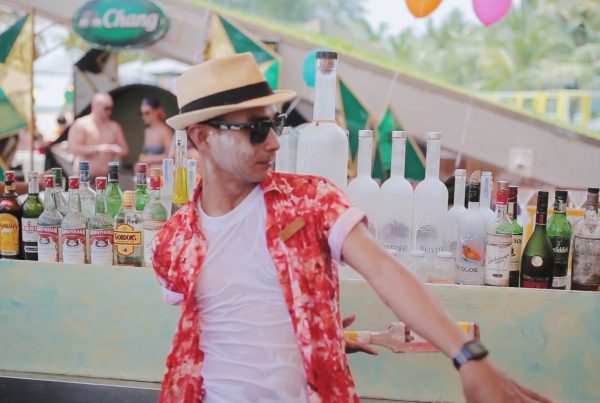
Kokulo Beach Club – Event Video
Kokulo Beach Club – Event Video

Acqua Phuket – Event Video
Acqua Phuket – Event Video

Spa Branding Case Study – Have A Spar Spa, Koh Samui | Highly Persuasive
Spa Branding Case Study – Have A Spar Spa, Koh Samui | Highly Persuasive
The Real Challenge Isn’t Occupancy. It’s Margin.
Many premium properties end up competing in channels that treat them like commodities. We help build the commercial brand tools—identity, book-direct journeys, and guest-facing touchpoints—that protect rate, grow direct revenue, and support the kind of guests you want more of.
The Direct Booking Opportunity: Unlock Your Brand’s Full Potential
Build Your Hospitality Brand Independence
Skip the high commissions paid to OTAs, including for repeat guests and those who already recognise your brand name— & give guests a clear & undeniable reason to book direct.
Align Your Perception
What if your online presence felt as premium and personal as your in-person guest experience?
Tell Your Story
What if your brand clearly communicated the unique story and character that separates you from the big chains?
Less Brand Friction™ & More Brand Gravity™
What if the points in your booking process that cause guests to hesitate were removed and you made it easier & faster to book direct?
Trusted by Hospitality Brands in APAC & Worldwide

Quality Work
“Our customers are incredibly diverse, from families to healthy-eaters and vegans. We needed a brand that could speak to all of them. Highly Persuasive delivered a fresh, modern identity that perfectly captures our vibe. The new menu is a perfect example—it’s clearer, more appealing, and our average check size has increased by 15% in the 6 months since the rebrand.”
Hassan M, – Owner – The Hub Samui






HOTEL BRAND STRATEGY SESSION
Book 30-Minute ‘Clarity Call’: Let’s Find Your ‘Book Direct’ Path & Align Your Brand With The Guests You Want Most
If your hotel’s brand isn’t converting as well as it should, there’s always a reason. Often, it’s the quiet gap between the experience you work hard to deliver and what guests understand before they book.
In our Hotel Brand Strategy Session, we’ll map that gap and review your positioning, messaging, visual identity, guest journey, and key communications. You’ll see where perception becomes unclear, where trust is weakened, and which specific signals are holding back preference, direct bookings, and rate confidence.
The session is a 30 minute working discussion, not a sales presentation. It’s a structured brand diagnostic for owners and leaders who want to stop relying on guesswork and start shaping their brand with clear intent. Spots are limited to 3 per week.
REQUEST BRAND STRATEGY SESSION






Hospitality Branding Services: Brand Systems For Hotels & Resorts
We help hotels and resorts build brand systems designed to increase direct bookings, strengthen guest trust, and compete beyond price. From brand strategy and messaging to identity design and guest touchpoints, every element is engineered to influence decisions—before, during, and after the booking. Whether you’re launching a new property or repositioning an existing brand, we design for preference, loyalty, and long-term commercial growth.
Hotel Brand Strategy
Your Hotel Has a Unique Soul. Let’s Make It Your Most Persuasive Asset.
You know what makes your hotel special. It’s a feeling, a character, a soul that you and your team have poured your lives into. But articulating that feeling in a way that ends comparison is a strategic challenge.
We partner with you to find that authentic “Only Choice” DNA. We don’t invent it; we focus it. We translate your soul into a clear, defensible position and a compelling narrative that makes a guest feel, “This is the one.” This strategy is the compass that aligns every other decision.
Hotel Brand Identity
Your Quality is 5-Star. Let’s Capture That Quality in Your Brand.
Your service is exceptional, but your visual brand might not be doing its job. A guest makes a 3-second, gut-level decision based on your logo, your colors, and your website.
We ensure your visual identity instantly communicates your quality. This is far more than a logo; it’s a complete, high-performance visual system—from your F&B menus to your Instagram profile—that creates the “I have to stay there” feeling. It’s the visual proof that justifies your rate.
Your Hospitality is Premium. Let’s Make Your ‘Book Direct’ Experience Feel That Way Too.
We understand the “OTA Tax” is the single biggest frustration. The guest wants to book with you, but they are trained to use third-party sites because they feel “safer” or “easier.”
We don’t just “design websites”; we engineer trust. We craft a “Book Direct” journey that feels as seamless, valuable, and special as your hospitality itself. We use your brand to remove friction, build confidence, and ensure you own the guest relationship from the very first click.
HOTEL BRAND STRATEGY SESSION
Book 30-Minute ‘Clarity Call’: Let’s Find Your ‘Book Direct’ Path & Align Your Brand With The Guests You Want Most
If your hotel’s brand isn’t converting as well as it should, there’s always a reason. Often, it’s the quiet gap between the experience you work hard to deliver and what guests understand before they book.
In our Hotel Brand Strategy Session, we’ll map that gap and review your positioning, messaging, visual identity, guest journey, and key communications. You’ll see where perception becomes unclear, where trust is weakened, and which specific signals are holding back preference, direct bookings, and rate confidence.
The session is a 30 minute working discussion, not a sales presentation. It’s a structured brand diagnostic for owners and leaders who want to stop relying on guesswork and start shaping their brand with clear intent. Spots are limited to 3 per week.
REQUEST DIRECT BOOKING GROWTH SESSION
Hotel & Resort Brand Development Process
Your prospects are confused, hesitant, and comparing you on price. This is Brand Friction™—a silent tax on your revenue.
The antidote is not a new logo or “better branding.”
The antidote is Brand Gravity™ – the invisible force that pulls your ideal clients toward your brand, pre-sold and premium-ready. It is the commercial certainty we engineer in theBrand Gravity™ Brand Systems. This is not a creative process. It’s a strategic, rigorous, & psychological branding & marketing system designed to destroy friction and build an irrefutable pull.
🧭 Phase 1: Discover Your 'Only Choice' DNA
Uncover where the gaps are—and how to close them.
We audit, analyze, and interview to understand how your brand is currently perceived—and where it’s falling short. This phase sets the strategic foundation for everything that follows.
📌 May include:
✔ Brand Audit
✔ Messaging & Communications Audit
✔ Competitor & Digital Landscape Analysis
✔ Visual & Website Evaluation
✔ Customer Interviews & Persona Mapping
✔ Buyer Journey Mapping
🎨 Phase 2: Build Your 'Book Direct' Story
Design systems built for real-world hospitality performance.
We develop full identity systems that scale—from signage and web to packaging and in-room touchpoints. Designed to be both distinct and durable across environments.
📌 May include:
✔ Logo & Trademark Design
✔ Full Brand Identity Package
✔ Signage, Icons & Visual Systems
✔ Color, Typography & Brand Assets
✔ Business Cards & Guest Collateral
✔ Packaging, Uniform, and Digital Design
✔ Brand Guidelines
🧠 Phase 3: Create The 'Must-Stay' Identity
Define who you are, what you stand for, and why it matters.
We help you articulate the core of your brand—its purpose, values, and strategic positioning. So every message, campaign, and guest experience is built on a clear brand logic.
📌 May include:
✔ Brand Messaging & Positioning
✔ Core Narrative & Brand Story
✔ Mission, Vision & Value Systems
✔ Brand Voice & Tone Definition
✔ Unique Value Proposition
✔ Internal & External Brand Language Systems
🚀 Phase 4: Launch The 'Lifelong Fan' Experience
Bring your brand to life—everywhere it matters.
From launch materials and video content to staff alignment and sales tools, we turn strategy into communication that moves people—online, in-person, and in-market.
📌 May include:
✔ Company Profiles, Brochures, Presentations
✔ Marketing & Sales Collateral
✔ Content Marketing Frameworks
✔ Brand Videos & Campaigns
✔ Trade Show Assets & Onsite Experience
✔ POS & Guest-Facing Materials
✔ Staff Training Guides
Hotel Branding – Frequently Asked Questions
1. What is hotel branding, and why does it matter?
Hotel branding is the way your property presents itself to the world: how it looks, sounds, behaves, and is remembered. It’s not just a logo or a name; it’s the total impression guests build from your website, photography, messaging, reviews, staff, rooms, and even your signage.
For direct bookings, branding matters because guests almost never evaluate you in a vacuum. They compare a few tabs, scroll quickly, form a snap judgement on quality and reliability, and then choose whichever option feels safest and clearest for the price.
A strong hotel brand helps you win this comparison in several ways:
-
Instant clarity: Guests can quickly understand what kind of property you are, who you’re for, and what makes you different from nearby alternatives.
-
Trust at a glance: Premium, consistent branding makes your hotel feel more established and reliable, especially for international guests booking online without local knowledge.
-
Perceived value: When your visual identity, photography, tone of voice, and guest experience all align, higher rates feel more reasonable, not risky.
-
Memorability: A clear story and visual world make it easier for guests to remember you when they come back later to actually book.
On the flip side, weak or generic branding means:
-
Guests rely more on OTAs and aggregators, where you’re just one card in a long list.
-
Higher rates are harder to defend if you don’t look clearly better than cheaper options.
-
People forget you, even if they liked what they saw.
For owners and GMs, good hotel branding is not a “nice-to-have creative project.” It’s a commercial tool that supports:
-
Higher direct share vs OTAs
-
Stronger rate confidence
-
Better guest mix (more of the people you actually want)
-
More repeat and referral stays
Put simply: marketing drives attention, but branding decides what guests do once they’ve found you. If your brand is clear, premium, and consistent, every click, impression, and referral has a better chance of turning into a profitable, direct booking.
2. How can professional hotel branding reduce OTA commissions and dependence?
OTAs are powerful demand engines, but they come with a cost: high commissions, limited control over how you’re presented, and constant price comparison. Strong hotel branding is one of the few levers you control that directly affects how many guests come to you directly, not just through intermediaries.
Here’s how branding helps reduce OTA dependence in practice:
-
Clear positioning that gives guests a reason to book direct
If your story and value proposition are vague, guests use OTAs as a “safety net.” A clear brand message (“who we are, who we’re for, why we’re worth it”) gives them enough confidence to book on your own site when they discover you elsewhere. -
A website that feels as safe and easy as an OTA
Your brand isn’t just visuals; it’s the experience of booking. Professional branding extends to your website layout, messaging hierarchy, and calls to action. When the booking journey feels polished, reassuring, and familiar, guests are less likely to click back to the OTA to finalize the booking. -
Consistency across all channels
Strong branding makes your property recognisable across OTAs, metasearch, social media, and your own site. When guests keep seeing the same name, visuals, and story, they’re more likely to google you and book direct later, especially repeat or long-stay guests. -
Higher perceived value = more rate confidence
If you look like a generic mid-market hotel, guests will question any rate above the cheapest option. Professional branding sharpens the perceived difference between you and lower-priced competitors, so rate parity or slight price advantages for direct bookings actually work. -
Better guest mix and more repeat stays
Branding that is aligned with your ideal guest profile attracts people who are more likely to return. Repeat guests often prefer to book direct when they feel a relationship with the property, but only if your brand feels organised and trustworthy.
Branding doesn’t remove OTAs from the picture—nor should it. Instead, it changes their role: from being your primary source of bookings to being just one of several channels. Over time, a strong hotel brand supports a healthier distribution strategy where OTAs help fill gaps, while your own brand and website carry more of the long-term load.
3. What is included in a hotel brand identity system?
A hotel brand identity system is more than a logo file and a few colours. It’s the visual and verbal toolkit that ensures your property presents itself in a consistent, premium way across all touchpoints, both online and on-site.
A typical hotel brand identity system includes:
-
Core logo and variants
-
Primary logo (horizontal or stacked)
-
Secondary marks or monograms
-
Lockups for special uses (co-branding, F&B, events)
-
-
Colour palette
-
Primary colours used across digital and print
-
Secondary and accent colours for highlights, calls to action, and sub-brands
-
Guidance on contrast, pairing, and usage
-
-
Typography system
-
Heading fonts, body fonts, and any speciality display type
-
Rules for hierarchy (titles, subheadings, body, captions)
-
Digital and print recommendations for legibility
-
-
Photography style and art direction
-
Guidelines for composition, lighting, angles, and subject focus
-
Preferred treatments (natural vs stylised, lifestyle vs architectural)
-
Shot list suggestions: rooms, lobby, F&B, people, neighbourhood
-
-
Graphic elements and icons
-
Patterns, lines, framing devices, and brand-specific shapes
-
Icon sets for maps, amenities, services, and wayfinding
-
-
Layout principles
-
How to structure digital screens (website, mobile views, email headers)
-
Print layouts (brochures, menus, keycard holders, in-room collateral)
-
Spacing, alignment, and grid recommendations
-
-
Tone of voice and messaging starters
-
Key brand phrases and positioning statements
-
High-level writing style guidance (formal / relaxed / understated / refined)
-
Examples of how to describe rooms, services, and experiences
-
-
Basic brand usage guidelines
-
Do’s and don’ts for using the logo and colours
-
File formats and usage (PNG vs SVG vs EPS)
-
Guidance for vendors and partners to stay consistent
-
The benefit of a full identity system is operational as much as aesthetic. Instead of starting from scratch every time you create a new brochure, website page, or sign, your team works from a defined toolkit. This reduces inconsistency, speeds up creative work, and makes your hotel look more premium and reliable—whether a guest is seeing you on Booking.com, on WeChat, at the front desk, or in the lift.
4. How do you measure the ROI of hotel branding for a hotel or resort?
Branding is often treated as something “hard to measure.” In reality, you can’t tie every pixel to a precise number, but you can track a clear set of indicators before and after a branding project.
Think in two horizons:
1. Leading indicators (first 3–6 months)
These tell you whether the brand is landing as intended:
-
Direct website performance:
-
Increase in direct sessions and branded search
-
Higher time on site and page depth
-
Improved click-through to booking engine
-
-
Conversion-related metrics:
-
Higher booking engine start rates
-
Fewer drop-offs on key pages
-
Improvement in enquiry forms and “contact us” submissions
-
-
Perception and clarity:
-
Guest feedback on the website and communications (“easy to book”, “clear information”)
-
Internal feedback from staff and partners (“easier to explain who we are”)
-
2. Commercial outcomes (6–18 months)
These are where owners and investors pay attention:
-
Direct bookings share vs OTAs:
An increase in the proportion of bookings coming directly through your own channels. -
Average daily rate (ADR) and rate confidence:
Holding or increasing ADR with less pressure to discount during shoulder periods. -
RevPAR and contribution margin:
Improvements in revenue per available room, especially when combined with lower OTA commissions. -
Repeat and referral business:
Higher proportion of returning guests and direct referrals, often reflected in CRM and booking patterns.
It’s important to be realistic: branding is rarely the only variable changing. Demand shifts, staffing evolves, distribution strategies change. The goal is not lab-style precision but directional improvement linked to specific brand changes.
We typically recommend:
-
Establishing a baseline for direct share, ADR, key web KPIs, and guest mix before the project.
-
Agreeing on 3–5 priority metrics that the brand should support.
-
Reviewing performance at 3, 6, and 12 months, while noting related marketing actions (new campaigns, channel changes, etc.).
The most reliable signal that branding is working is not just “more bookings.” It’s when your best guests find you more easily, pay the rates you’re targeting, and feel confident booking direct because the brand gives them no reason to doubt the decision.
5. How do I know if my hotel is ready for a rebrand or brand refresh?
Not every hotel needs a full rebrand. Sometimes you only need a refresh or a clearer story. A few signs suggest that it’s time to seriously consider brand work:
-
Your physical experience has outgrown your current brand.
Maybe you’ve renovated rooms, upgraded facilities, or repositioned the service level, but your logo, website, and photography still look like the “old version” of the property. When the brand doesn’t reflect the reality on the ground, guests either feel misled or fail to appreciate the upgrades. -
You’re attracting the wrong guest mix.
If you’re receiving too many low-yield bookings, constant discount seekers, or the wrong type of group business, your brand positioning may be signalling the wrong thing to the market. -
You blend into your comp set online.
Open any OTA page with your competitors. If it’s hard to distinguish your card or listing from three or four others nearby, your brand is not doing enough to separate you. -
Your team struggles to explain “what kind of hotel” you are.
If staff use vague answers (“we’re kind of for everyone”), or you hear different explanations from different departments, that confusion shows up in marketing, sales, and guest expectations. -
Your website and materials feel dated or inconsistent.
Multiple logos in circulation, different colours and fonts across channels, a mix of old and new photography—these all signal a brand that has evolved without guidance. -
You’re planning a major business move.
Renovation, a new wing, a change in management, a shift in target market, or a move up or down the star ladder are all natural moments to re-evaluate the brand.
A rebrand usually makes sense when your current identity and positioning are fundamentally misaligned with your strategy. A brand refresh is more appropriate when the core idea is still right, but execution is outdated or inconsistent.
The decision is ultimately commercial:
If updating your brand helps you support higher rates, improve direct share, attract a better guest mix, or make your hotel easier to sell, then it’s an investment in future revenue, not just a design exercise.
6. What is your process for a hotel branding project from start to finish?
While each property is unique, a structured hotel branding process usually follows four main phases.
1. Discovery & Diagnosis
We start by understanding your current situation:
-
Property audit: existing logo, website, photography, signage, collateral
-
Market and comp set review: how you appear next to key competitors
-
Guest and segment analysis: who you serve, who you want more of
-
Stakeholder interviews: owners, GMs, key department heads
-
Data review where available: direct vs OTA share, ADR, RevPAR, reviews
The aim is to identify brand friction (where perception is unclear or inconsistent) and opportunities for brand gravity (where your strengths can be made more visible and compelling).
2. Strategy & Positioning
Next, we define the strategic backbone of the brand:
-
Brand platform: purpose, promise, key value pillars
-
Target segments and “ideal guest” profiles
-
Positioning statement: how you sit in the market and in the guest’s mind
-
Messaging framework: how you talk about rooms, facilities, location, and experience
-
Naming or re-naming if required (including F&B outlets or sub-brands)
This becomes a clear, shareable document that guides all creative decisions.
3. Identity & Experience Design
With strategy set, we create or evolve the brand identity:
-
Logo and identity system (colours, type, graphic elements)
-
Photography direction and shotlist
-
Website structure, wireframes, and key page designs
-
On-property touchpoints: collateral, keycards, menus, in-room materials
-
Signage and wayfinding concepts
-
Internal branding elements and basic Brand Playbook
We present concepts with rationale, refine together, and finalise into a usable toolkit.
4. Activation & Rollout
Finally, we help bring the brand to life:
-
Final artwork and files for print and digital
-
Coordination with web developers, printers, and signage vendors
-
Guidance on phasing the rollout to manage budget and minimise disruption
-
Basic measurement plan for key KPIs (direct share, ADR confidence, web performance)
Throughout, you’ll have clear checkpoints for review and sign-off. The goal is not to overwhelm your team, but to give you a structured path from “we need a stronger brand” to a live, working identity that guests can see, feel, and book with.
7. How long does a hotel branding project usually take, and who needs to be involved?
Timelines vary based on scope, speed of decision-making, and number of stakeholders, but a typical hotel branding project runs in the 8–16 week range from discovery to final identity handover. Larger portfolios or more complex repositioning can take longer.
A rough breakdown:
-
Discovery & Diagnosis: 2–3 weeks
-
Strategy & Positioning: 2–4 weeks
-
Identity & Design: 3–6 weeks
-
Finalisation & Handover: 1–3 weeks
Some phases can overlap, especially if you already have solid data and internal clarity.
In terms of people:
Core decision group (must be involved):
-
Owner, asset manager, or managing director
-
General Manager
-
Senior representative from marketing or sales (if in-house)
These are the people who understand both the commercial goals and the operational reality. Their early input saves time and prevents rework.
Broader contributors (helpful but not all in every meeting):
-
Front office and operations leadership
-
Revenue management or distribution
-
F&B leadership (especially if rebranding outlets)
-
HR or training (for internal branding and brand adoption)
We typically recommend:
-
A small, consistent decision group for key milestones
-
Wider consultation at the discovery stage and during internal rollout
The biggest factor in timing is not design itself; it’s decision speed. When the core group is aligned on goals (e.g. “grow direct share,” “move upmarket,” “prepare for renovation”), choices can be made quickly. When goals are vague or there’s internal disagreement on direction, even simple changes can stall.
If your timeline is tight—for example, you’re preparing for a soft opening, relaunch, or investor presentation—you can prioritise:
-
Brand strategy and positioning
-
Core identity (logo, colours, type)
-
Key digital assets (website, booking journey)
Then phase in collateral, signage, and internal branding afterwards. The important thing is to have a clear, agreed brand foundation in place before you start producing many different pieces.
8. Do I need separate branding for my hotel’s restaurant, bar, and F&B outlets?
ot every F&B outlet needs its own brand, but many properties underuse these spaces by treating them only as amenities rather than standalone businesses.
You should consider separate or distinct branding when:
-
The outlet has a strong concept of its own.
A rooftop bar, specialty restaurant, or signature café with a clear concept benefits from its own name, identity, and story. This makes it easier to market to locals, attract non-staying guests, and build a reputation beyond the hotel. -
You want to compete with local favourites, not just in-house options.
If your restaurant’s real competition is the best places in town, not just the other outlet in your lobby, a distinct brand helps you join that conversation on equal footing. -
You run multiple properties or multiple outlets.
A clear F&B brand architecture keeps things organised: master hotel brand at the top, strong F&B sub-brands beneath it, each with consistent but distinct look and feel.
When separate branding makes sense, we usually develop:
-
Name and concept story
-
Visual identity (logo, colours, type, photographic direction)
-
Menus and printed materials
-
Signage, table talkers, and promotional templates
-
Basic digital assets (landing pages or sections, social presence if relevant)
At the same time, everything should still connect back to the main hotel brand. Guests should sense that the outlet belongs to the same “world” in terms of quality and tone, even if the aesthetics differ.
For some properties, separate branding isn’t necessary. All-day dining, casual lobby bars, or small outlets that exist mainly for in-house convenience may simply need a coherent extension of the main hotel identity.
The key question is commercial:
“Does giving this outlet its own brand help us generate more revenue, attract local customers, or justify higher spend per cover?”
If the answer is yes, F&B branding becomes a smart investment, not a decoration.
9. Can hotel branding work for independent hotels and smaller properties, or is it only for big groups?
Strong branding is often most valuable for independent hotels and smaller properties, because they don’t have the built-in recognition and distribution power of big chains.
Here’s why it matters—even more—for independents:
-
You need a clear reason to choose you over a chain.
Large brands offer familiarity and perceived safety. An independent property needs a compelling story, visual presence, and guest experience that makes guests think, “This feels like a better choice for me,” even without a global name. -
Branding helps you “look bigger” than your size.
A well designed identity, website, and collateral can make a 40-room independent feel as dependable as a larger player. This reassures international guests and corporate bookers who may not know the local market well. -
You have more freedom to build a distinctive experience.
Chains are often constrained by global standards. Independents can lean into their unique character: architecture, history, neighbourhood, owner personality, or service style. Branding turns those traits into a coherent, marketable story. -
You feel pricing pressure more acutely.
For smaller properties, every discount hits the bottom line faster. Branding that supports perceived value and differentiation gives you more room to hold rates or introduce premium room types and packages. -
You depend heavily on local reputation and repeat business.
A strong brand makes it easier to build recognition in your city or region, not just online. Over time, this can reduce your reliance on OTAs and price-led campaigns.
A typical branding project for an independent hotel might include:
-
Clear positioning and guest segment definition
-
Brand story and messaging framework
-
Logo and identity system tailored to the property’s personality
-
Website design focused on direct bookings
-
Core collateral and signage
-
Basic internal brand guidance so staff can deliver the experience consistently
Branding doesn’t turn a small independent into a chain—and it shouldn’t. Instead, it gives you the tools to compete on your own terms, with a clear, premium, and coherent presence that matches the best of what you offer on property.
For many independents, the question isn’t “Can we afford branding?” but “Can we afford to keep relying only on price and OTAs when we’re this dependent on every point of margin?”
10. What type of hotels do you work with?
We work with hotels and hospitality brands that see their brand as a commercial asset, not just a logo. In practice, that usually means 3–5★ properties and ambitious independents who care about rate, reputation, and direct bookings as much as occupancy.
Broadly, there are a few types of hotels we’re a strong fit for:
1. Independent 3–5★ hotels and resorts
These are properties that deliver a genuinely good experience on-site, but don’t always look or sound as strong online as they are in reality.
Typical situations:
-
Strong TripAdvisor / Google reviews, but a generic or dated identity
-
Heavy reliance on OTAs and discounting to keep occupancy stable
-
Good product, but a brand and website that don’t feel “on the same level”
For these properties, we help:
-
Clarify positioning and ideal guest segments
-
Develop a premium brand identity system
-
Design book-direct websites and guest touchpoints that support higher direct share and better rate confidence
2. Boutique and design-led hotels
Smaller, experience-driven properties where character and story matter as much as facilities.
Typical situations:
-
Good taste and interiors, but no clear brand narrative
-
Inconsistent visuals and messaging across social, OTAs, and website
-
A “cool” concept that’s hard to explain in a way revenue and sales can use
For boutique hotels, our work often focuses on:
-
Turning the concept into a clear, commercial brand platform
-
Creating a visual and verbal world that’s distinct but still usable across channels
-
Aligning interiors, F&B, and digital presence so the experience feels coherent from browsing to check-out
3. Resorts and destination properties
Beach, island, wellness, and leisure-focused hotels that compete in saturated destinations.
Typical situations:
-
Surrounded by “similar-looking” resorts in OTAs and metasearch
-
Heavy seasonal fluctuations and pressure to run promotions
-
Strong facilities, but no clear reason someone should pay more here vs next door
Here, we help:
-
Define a sharper market position and promise
-
Elevate identity, photography direction, and website experience
-
Tie the brand more closely to direct bookings, length of stay, and guest mix
4. Hotel groups, portfolios, and multi-property brands
Regional groups, owner portfolios, or management companies that need consistency and clarity across several properties.
Typical situations:
-
Mixed collection of hotels with different ages and identities
-
No clear architecture between group brand and property brands
-
Hard to explain the portfolio to owners, partners, or corporate clients
Our work here usually includes:
-
Brand architecture (group vs property vs F&B)
-
Shared standards and templates that still allow local character
-
Tools for internal teams to brief, launch, and maintain brands over time
5. Pre-opening, repositioning, and post-renovation hotels
Hotels at key transition points where how you show up next will affect years of performance.
This includes:
-
New builds that want to launch with a clear position from day one
-
Existing properties moving upmarket or changing target segments
-
Hotels coming out of renovation that need the brand to match the new experience
In these cases, we focus on:
-
Brand strategy aligned with the new business model
-
Identity and launch-ready assets (website, collateral, signage, internal launch)
-
Giving owners, GMs, and sales teams a story they can confidently sell
We are generally not the right fit if you’re only looking for a quick logo, a one-off flyer, or a single social media campaign. The hotels we work best with want a brand that supports direct growth, rate confidence, and long-term reputation—and are ready to treat branding as part of their commercial strategy, not just decoration.
Some Of Our Clients


Our Clients:
Hospitality Is Competitive. Let’s Make Your Brand Stand out & Be Unforgettable.
We specialize in making your property stand out online, offline, and everywhere in between.