
What Luxury Brands Know About Pricing That Most Companies Don’t
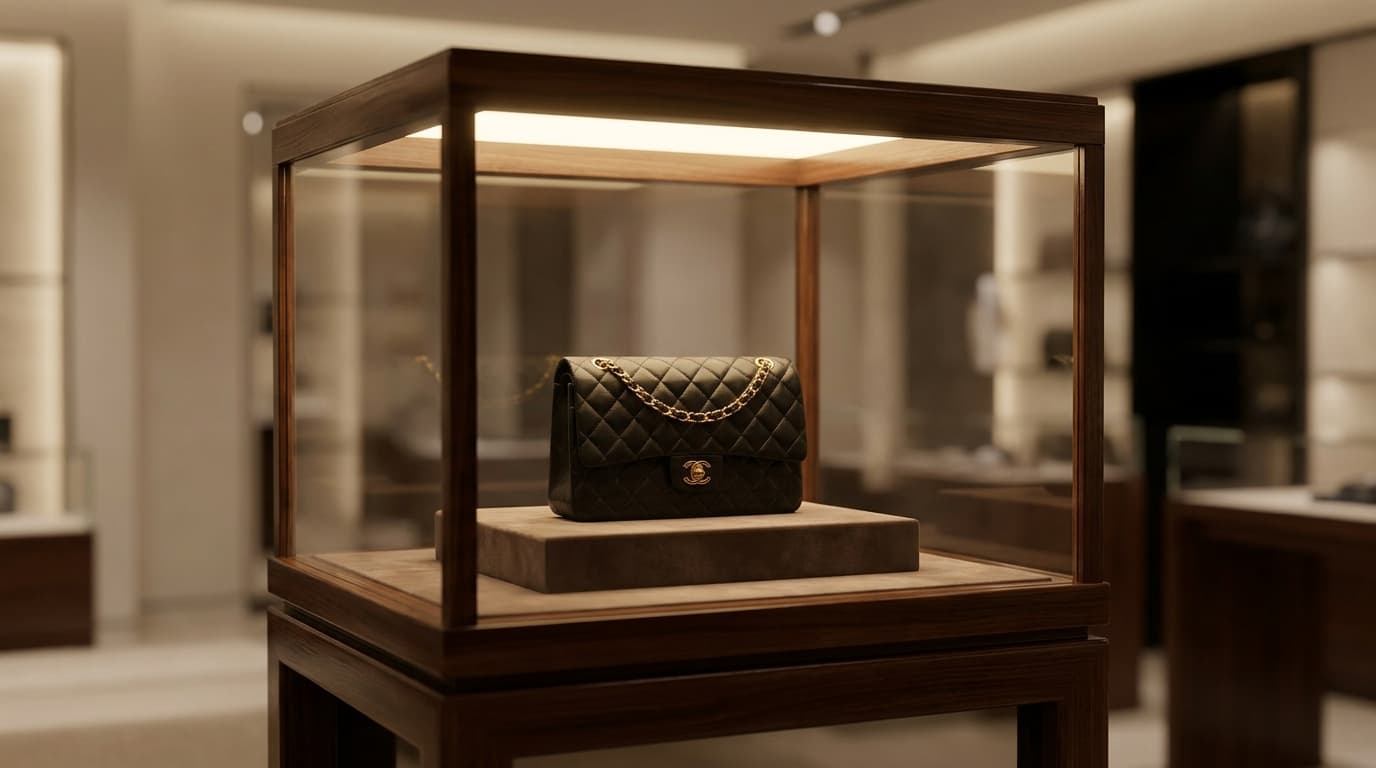
Hermès has a waiting list for bags that cost more than some cars.
The waiting list is not a supply problem. Hermès could manufacture more. It chooses not to because scarcity is not a constraint on the business model, it is the business model.
The waiting list is a pricing mechanism disguised as an operational condition. Every month a buyer waits, the bag becomes more desirable. The price was never competing against other bags. It was competing against the buyer’s tolerance for not having the thing they want.
Most companies look at this and think: interesting, but we’re not a luxury brand. But there are important applications here for all categories.
The Principle Behind the Waiting List
The commercial insight in the Hermès model isn’t about scarcity for its own sake. It’s what scarcity signals: that the firm has more demand than it can or will serve, which means choosing to work with you is a distinction rather than a transaction.
This signal is available in every professional market.
The engineering firm that declines projects outside its narrow competence regardless of revenue size is transmitting it. The law firm that only accepts matters of a certain complexity threshold is transmitting it.
The firms that transmit this signal consistently command a different conversation than the ones who don’t.
Why clarity feels like luxury to a skeptical buyer is partly this: the firm that is selective is the firm that has decided what it’s for, which signals a level of commercial self-awareness that disorganised or undifferentiated firms don’t have.
What Premium Pricing Actually Requires
The mistake most companies make when they decide to “move upmarket” is treating premium pricing as a positioning claim rather than a commercial architecture decision.
Claiming to be premium while behaving like a generalist produces a specific kind of buyer frustration — the frustration of paying a higher fee for an experience that doesn’t match the promise. That frustration compounds at renewal. It suppresses referrals. It drives the most commercially sophisticated clients — the ones who understand what genuine premium looks like — toward firms that actually deliver the experience the price implies.
Premium pricing requires three things working together, none of which are optional.
The first is selectivity — a genuine willingness to decline buyers who don’t fit. Not the performance of selectivity in a sales conversation, but the actual behaviour of turning down revenue when the fit isn’t right. Rolex spent decades refusing to compete on technical specification or value for money, anchoring instead on a specific notion of achievement and permanence. That refusal was the pricing mechanism. Every buyer who was told implicitly that Rolex wasn’t the right choice for them reinforced the desirability for the buyers for whom it was.
The second is experience architecture — the quality of every touchpoint between the buyer’s first contact and the delivery of the work. What luxury watches and Japanese bento boxes teach us about value is that perceived value is a function of the total experience, not the intrinsic quality of the core product. The proposal, the onboarding, the communication cadence, the invoicing process — every one of these touchpoints is either confirming the premium signal or quietly contradicting it.
The third is the price itself, held without apology. The moment a firm discounts to close a deal, it has redefined the correct price in the buyer’s mental model. How discounts quietly erode your future brand power is not a theoretical concern — it is the specific commercial mechanism by which premium positioning collapses. The firm that discounts occasionally is sending the market a message about what it believes its work is actually worth.
The Professional Services Application
The luxury brand parallel is not a metaphor for professional services. It is a direct commercial principle with specific operational implications.
LVMH — which owns 75 distinct brands across fashion, spirits, watches, and hospitality — manages its portfolio around a single operating principle: never allow any brand to be available to everyone who wants it. Availability is the enemy of desirability. This is true for a $10,000 handbag and it is equally true for a $200,000 consulting engagement. The consulting firm that is always available, always accommodating, and always willing to discuss scope adjustments is transmitting an availability signal that works directly against premium positioning.
The Aman hotel group limits its properties to locations that are genuinely inaccessible — not inconvenient, but requiring deliberate effort to reach. The inaccessibility is not incidental to the brand. It is the brand. The effort required to stay there is part of what the guest is purchasing. The professional services equivalent is the partner who doesn’t attend early-stage sales meetings, who requires a qualification conversation before committing time, who is — genuinely, not performatively — difficult to access. The difficulty is the signal.
The hidden cost of being generic in professional markets is the loss of this signal. A firm that is easy to access, easy to engage, easy to compare against competitors on a fee basis has removed every signal of scarcity and selectivity from its commercial architecture. It competes on value for money by default — because it has left no other basis for competition.
The Practical Test
The diagnostic for premium signal architecture in any professional services firm runs through four questions.
Does your intake process require the buyer to qualify — or do you qualify yourself to them? The direction of qualification is the signal. The firm that asks “are we right for you?” is transmitting a different signal than the firm that asks “are you right for us?”
Does your pricing have a floor that you defend without exception? A floor defended with exceptions isn’t a floor — it’s a starting position in a negotiation. The premium signal requires genuine commitment to the price, which means the willingness to lose engagements rather than discount to win them.
Do your best clients feel that working with you is a distinction? Not a satisfaction — a distinction. The clients who feel they were selected, rather than that they selected you, are the ones who refer most enthusiastically and negotiate least aggressively at renewal.
Does your capacity signal suggest more demand than you’re serving? The firm whose principals are always immediately available, whose proposals arrive within 24 hours, and who has never asked a prospect to wait has removed the most basic scarcity signal from its commercial architecture.
These are not questions about positioning language. They are questions about commercial behaviour. And the answers reveal whether the pricing architecture the firm is trying to build has any structural support beneath it — or whether it is a claim being made without the operational substance to hold it.
Luxury pricing principles aren’t about products or aesthetics. They’re a commercial architecture — one available to any firm willing to make the structural decisions that support it. The Brand Gravity Momentum Session™ identifies where your pricing architecture has signal gaps and what closing them would do to average deal size.
DemandSignals™ — Strategic brand intelligence for business leaders. Read More: HighlyPersuasive.com/Thinking/