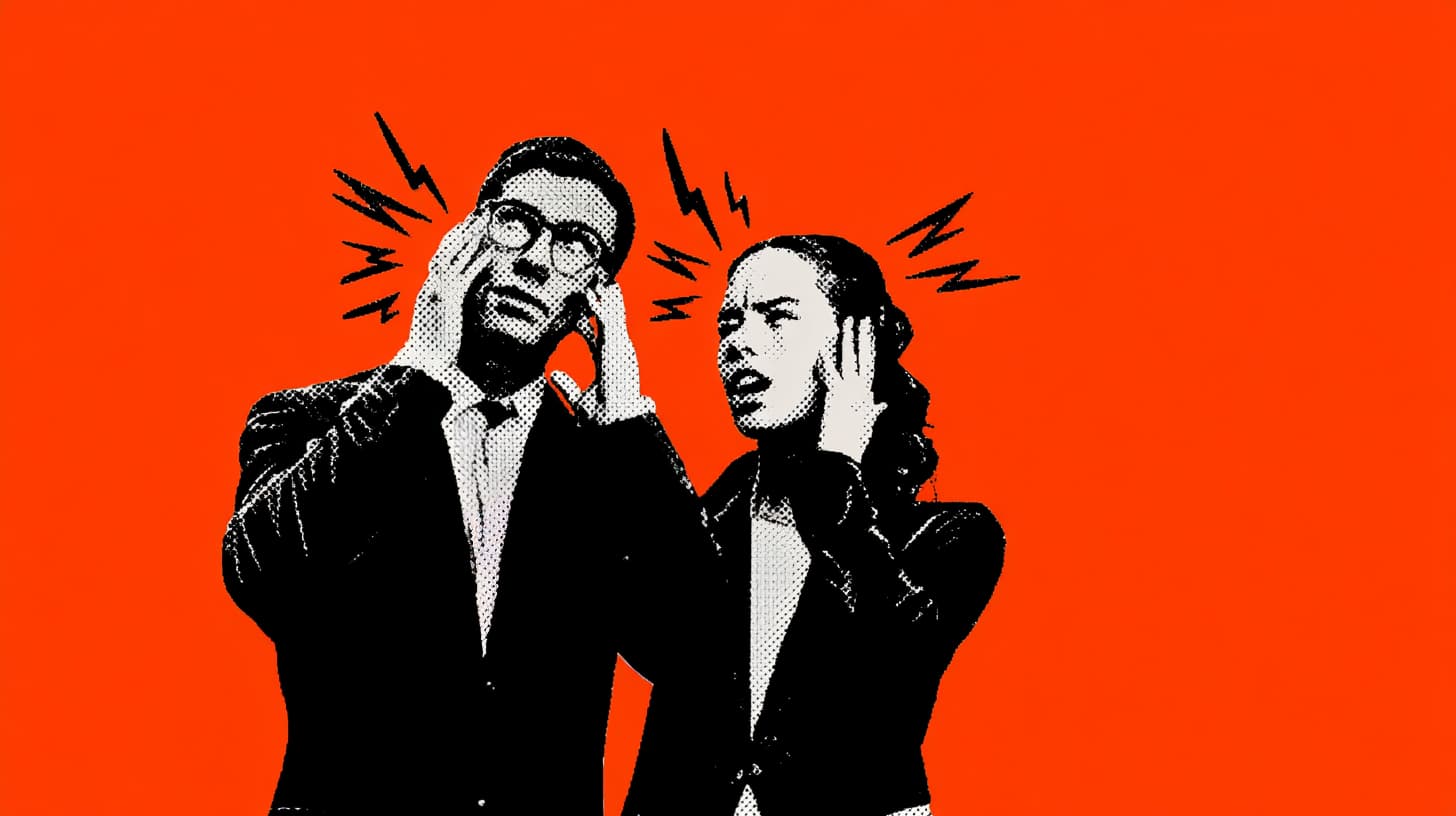

The Invisible Reason Why Top B2B Brands Still Lose Deals
You’ve got a strong team.
You generate quality leads.
Your product is proven.
Yet serious buyers still hesitate.
Not because they don’t understand your value.
Because something in your brand experience makes saying “yes” feel… uncertain.
That hidden hesitation is brand friction — invisible signals in your messaging, visuals, or sales experience that make good buyers pause, second-guess, or quietly vanish.
It’s not a failure of tactics.
It’s a failure of emotional alignment.
Even the most rational B2B buyer needs to feel safe before they commit.
Clarity without comfort = stalled deals.
This guide uncovers the five most common friction points B2B brands face—and how to fix them fast, without a full rebrand, complicated tech, or empty buzzwords.
What Is Brand Friction in a B2B Context?
Let’s be clear:
Brand friction isn’t a design fix.
It’s not a copy tweak.
It’s not a funnel hack.
It’s what happens when your brand looks fine—but feels slightly off to the decision-maker.
Just enough to erode trust.
Just enough to delay action.
Just enough to cost you the deal.
It lives in the gap between what you offer and how your buyer emotionally experiences that offer.
And in serious B2B buying contexts—where multiple stakeholders, risk aversion, and reputation matter even more—it grows quickly.
-
The subtle bias of hierarchy
-
The unspoken fear of internal failure
-
The pressure to make a defensible decision
Buyers rarely say no.
They say yes inwardly, but never out loud.
That’s why brand friction doesn’t show up in dashboards—but it shows up in silent deal stalls.
Why It’s Dangerous
Because hesitation isn’t always visible.
It lives in:
-
Delayed decisions
-
“Let me run this internally”
-
“Can I come back to you next quarter?”
These signs don’t show a lack of interest.
They show a lack of emotional safety.
You’ve earned the buyer’s attention.
But you haven’t earned their commitment.
This is why brand friction kills momentum—and what we fix first.
🚫 The 5 B2B Marketing Mistakes That Create Brand Friction
As a B2B Marketing Agency in Bangkok, we see brand friction in many different niches.
These aren’t obvious flaws. They’re subtle misalignments—things that look right but feel wrong to your buyer.
Here’s where the friction really lives:
❌ Mistake #1: Looking Impressive Instead of Feeling Accessible
A beautifully polished site. Tight copy. Sleek visuals.
But instead of building confidence, it creates distance.
It’s the “luxury retail effect”: the buyer feels like they’re being judged, not welcomed.
Friction Symptom:
Prospects visit your site, scroll briefly, then leave.
Sales calls feel one-sided. They nod politely—but don’t engage.
Why It Happens:
In trying to look credible, you forget to feel relatable.
Buyers don’t want to be impressed. They want to feel like they belong in your solution.
What to Do Instead:
-
Replace stock photos with actual team/client imagery
-
Use conversational headlines over abstract ones
-
Add proof points that match your real buyers—not just award logos or VC clout
❌ Mistake #2: Using Language That Over-Explains But Under-Connects
You’ve got strong copy. It’s clear. It’s accurate.
But it doesn’t make your buyer feel seen.
It talks at them, not with them.
Friction Symptom:
Buyers ask for clarification—even when everything’s technically explained.
You hear, “I think I get it, but…”
Why It Happens:
Clarity ≠ resonance.
Your language might inform—but it doesn’t build trust, confidence, or identity alignment.
What to Do Instead:
-
Lead with buyer context, not product features
-
Rewrite headlines to address fear, not function
-
Use phrases like “If you’re dealing with…” to create emotional relevance
❌ Mistake #3: Talking to Champions, Not Decision-Makers
Your content is smart.
Your case studies are solid.
Your sales pitch lands with users.
But the decision-maker never bites.
Friction Symptom:
You get great traction from mid-level stakeholders—but deals stall when escalated.
You hear, “My boss is still reviewing.”
Why It Happens:
You’re arming your champion with the wrong ammunition.
You’re selling usability. The CFO is weighing reputational risk.
What to Do Instead:
-
Add a decision-maker layer to every asset
-
Build a separate deck or 1-pager just for execs: strategic outcomes, risk mitigation, social proof
-
Use phrases like “trusted by CFOs, not just users” or “built for board-level buy-in”
❌ Mistake #4: Hiding the Real Cost of Doing Nothing
Your pitch lays out the benefits.
But there’s no real urgency to act.
The buyer thinks, “This looks good. But maybe we’ll revisit next quarter.”
Friction Symptom:
Buyers seem convinced… but noncommittal.
Deals drift for weeks or months, and then quietly disappear.
Why It Happens:
You’ve sold the upside—but not the downside of inaction.
Without perceived loss, there’s no movement.
What to Do Instead:
-
Make opportunity cost visible: “Every month without X costs you Y.”
-
Show what competitors are doing — and what it means to fall behind
-
Reframe your offer from “optional upgrade” to “strategic necessity”
❌ Mistake #5: Confusing Brand Consistency with Buyer Reassurance
Your branding is consistent. Fonts align. Messaging echoes. The tone is professional.
But your buyer still feels uncertain.
Friction Symptom:
They hesitate to sign, even when all materials are “on brand.”
They ask for more calls. More references. More internal discussion.
Why It Happens:
Consistency signals competence.
But reassurance is emotional. It requires more than design harmony.
Your buyer isn’t thinking, “Is this polished?”
They’re thinking, “If this goes wrong, will I get blamed?”
What to Do Instead:
-
Add signals of longevity: testimonials, case studies, guarantees
-
Share recovery stories: “Here’s what we did when X didn’t go to plan”
-
Make it easy to say yes by reducing perceived risk: trial periods, flexible terms, human onboarding
🛠 How to Spot Brand Friction in Your Funnel
You won’t see it in HubSpot.
You’ll see it in polite deferrals, slow replies, and endless “internal reviews.”
Here’s how to surface it fast:
🧩 Step 1: Reverse-Engineer the Last 5 Deals That Stalled
Look at the conversations.
Where did momentum quietly vanish?
Ask:
-
Was it after you sent the proposal?
-
After looping in a senior exec?
-
After a competitor was mentioned?
The moment the vibe changed is where the friction lives.
🔍 Step 2: Run a 10-Minute Friction Scan on Your Sales Page
Read it like a first-time visitor.
-
Does it assume too much knowledge?
-
Is it speaking to a persona—or a person?
-
Would you personally feel confident saying yes?
If not, flag the copy, the tone, the visuals.
Confidence lives in simplicity and safety—not gloss and complexity.
⚡ What Happens When You Remove Brand Friction
You don’t need 10X more leads.
You need 10X fewer reasons for good leads to say no.
When you eliminate friction, buyers don’t just convert faster — they convert with conviction.
Here’s what changes:
1. Sales Cycles Shrink (Without Losing Deal Size)
When there’s nothing left to double-check, stall over, or second-guess — deals move.
You stop chasing. They start closing.
Real-world shift:
One SaaS firm saw a 31% reduction in time-to-close just by reframing their pitch deck for decision-makers, not users.
2. Buyers Bring in Stakeholders (Instead of Shielding You From Them)
Trust signals early on make internal advocacy effortless.
You stop being a risky idea and start being a smart internal recommendation.
Real-world shift:
A regional IT provider added a “Who This Helps Most” section with job-title alignment.
Demo-to-decision-maker engagement tripled.
3. Price Resistance Drops (Even Without Changing the Offer)
When the brand feels safe and decisive, buyers stop nickel-and-diming.
They don’t want the cheapest. They want the one they won’t regret.
Real-world shift:
A professional services firm removed vague ROI claims, replaced them with three short client outcomes — and stopped getting asked for discounts entirely.
Here’s the high-impact CTA section for the 80-Point Brand Friction Review™ — tuned for leaders, not marketers:
🧠 Ready to Remove the Friction That’s Quietly Costing You Sales?
You don’t need new copy, a new site, or a full rebrand.
You need a clear, commercial diagnosis of where trust, confidence, and decision safety are breaking down.
That’s exactly what the 80-Point Brand Friction Review™ delivers.
What You’ll Get:
✅ A forensic teardown of your messaging, sales assets, and funnel experience
✅ 80 behaviorally mapped points covering clarity, authority, decision comfort, and buyer-fit alignment
✅ Fixes prioritized by commercial ROI, not creative opinion
✅ Before/after rewrites of key messages — including homepage, sales deck, and proposal CTA
✅ A live 30-minute breakdown with a senior strategist (not a junior account rep)
Why It Works:
Most brand audits obsess over visuals.
This one obsesses over what makes people buy — or stall.
It’s not about creativity.
It’s about conversion confidence:
“Do I feel smart, safe, and proud saying yes to this?”