Before a single conversation happens, serious buyers have already placed your company in a mental category. They’ve scanned your positioning, assessed your proof, and made a provisional judgment about which tier of consideration you belong in. Brand strategy is the work that determines what that judgment is — and gives you the commercial architecture to change it when it’s costing you.
Engagements across B2B, manufacturing · professional services · SaaS · logistics · hospitality · legal · property — in Thailand, Singapore, Australia, the UK, Europe, and North America.
As Seen In:







Identify What Your Current Identity Is Communicating to Buyers — in 20 Minutes
The Brand Gravity Momentum Session™ is a free, 20-minute live working consultation. We pull up your brand in real time — website, sales materials, key brand assets — and assess the visual signal against the market you’re competing in and the tier you’re pursuing.
For companies where identity is creating friction with the buyers they should be winning, that session typically identifies precisely where the miscommunication is happening and what a targeted intervention would change commercially.
What Makes Up A Strategic Brand Identity?
Most branding agency firms focus soley on design. Logo, corporate identity, website. But strategic branding take a more informed approach.
What a Brand Identity Engagement Produces
Eight components. One coherent visual system — built to hold commercial authority at every buyer touchpoint.

Brand Logo & Mark Design
The primary mark, secondary logotype, and variant set — built from a clear geometric rationale rather than aesthetic preference. Designed to hold its signal across every application scale and context, from a 16px browser favicon to a three-metre exhibition panel, without losing the authority the identity was built to communicate.

Brand Corporate Identity System
The complete set of brand applications across the documents and materials buyers encounter during evaluation: business cards, letterhead, document templates, proposal covers, email signatures, and presentation decks. Each application built from the same visual language — so that every touchpoint during a sales process reinforces rather than contradicts the credibility the identity is designed to establish.

Brand Typography System
The typeface selection and hierarchy that determines how every word in every brand document reads before its content is processed. Typography communicates register — formal or approachable, precise or expansive, technical or creative — and in B2B contexts it is one of the strongest subconscious signals of category and credibility. Selected for the specific buyer and competitive context, not for design trends.

Digital Identity & Asset System
The visual system translated for digital environments: website colour and typography specifications, social media profile and header formats, digital document templates, icon and graphic element sets. Built to maintain visual coherence between print and digital without reducing the system to a lowest-common-denominator execution that underperforms in both.

Brand Colour Architecture
Primary and supporting colour palette with defined application ratios and context rules. Colour works as a recognition and categorisation signal — it communicates industry register, tier, and brand personality before anything else is read. The palette is built with attention to how it performs in the specific environments the brand operates in: digital, print, procurement documents, presentation decks, and physical environments.

Brand Collateral & Sales Materials
Proposals, capability statements, sales decks, and marketing collateral designed from the identity system — the materials that buyers encounter during the evaluation and decision stage. For professional services and B2B companies, the proposal and capability statement are often the highest-stakes brand touchpoints in the entire buying journey, and the ones most frequently inconsistent with the rest of the identity.

Brand Photography & Imagery Direction
The image language that determines how every photograph used across the brand reads. Subject matter, treatment, tone, and composition — defined as a system so that every image selected or commissioned reinforces the same visual register. For industrial, engineering, and professional services companies, photography direction is often the element that most immediately communicates the gap between where the brand wants to operate and where it currently signals.

Brand Guidelines & Governance Document
The reference document that keeps every future application of the identity consistent — internally and externally, for marketing teams, designers, and suppliers. Usage rules, don'ts, colour specifications, typography files, and the rationale behind the system's core decisions. Not a document that limits creativity but one that protects the signal the identity was built to send.
Explore how every part of your business works harder when it’s part of a brand gravity system.
Recent Client Work

The Edgewater Hotel — Direct Booking Growth & Hotel Marketing Programme
The Edgewater Hotel — Direct Booking Growth & Hotel Marketing Programme

Hotel Brand Identity Design – Ease Hotel | Hospitality Branding Firm
Hotel Brand Identity Design – Ease Hotel | Hospitality Branding Firm

KSH Industrial — B2B Brand Identity System & Corporate Profile
KSH Industrial — B2B Brand Identity System & Corporate Profile

Koury Capital — Venture Capital Brand Identity & Institutional Credibility
Koury Capital — Venture Capital Brand Identity & Institutional Credibility

Hotel & Resort Branding Case Study – The Crystal – Koh Samui
Hotel & Resort Branding Case Study – The Crystal – Koh Samui

B2B Branding & Advertising Design for Advance Tyre – Industrial Marketing Case Study
B2B Branding & Advertising Design for Advance Tyre – Industrial Marketing Case Study

Cafe Brand Identity Design – The Hub Samui Case Study
Cafe Brand Identity Design – The Hub Samui Case Study
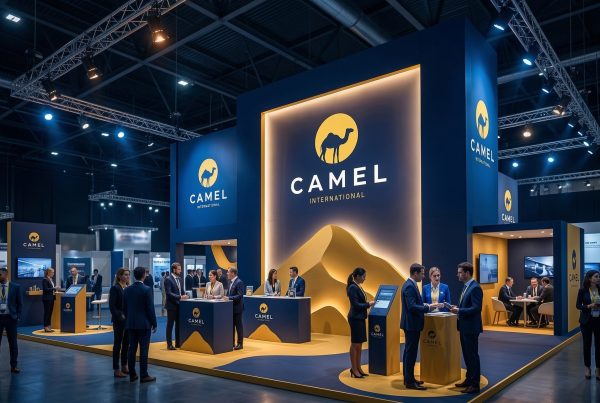
Camel International — B2B Food Ingredients Supply Chain Identity
Camel International — B2B Food Ingredients Supply Chain Identity
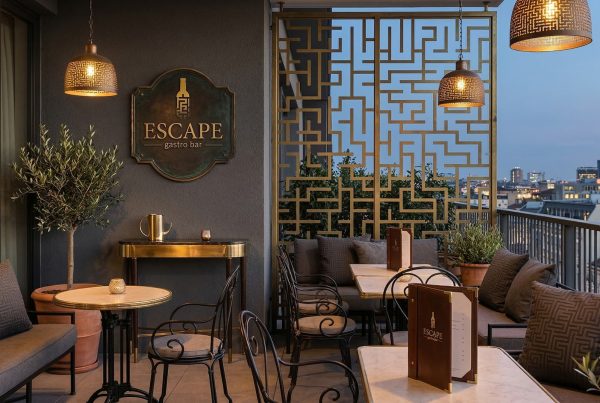
Restaurant Brand Strategy, Identity & Menu Design Case Study – Escape Gastro Pub
Restaurant Brand Strategy, Identity & Menu Design Case Study – Escape Gastro Pub
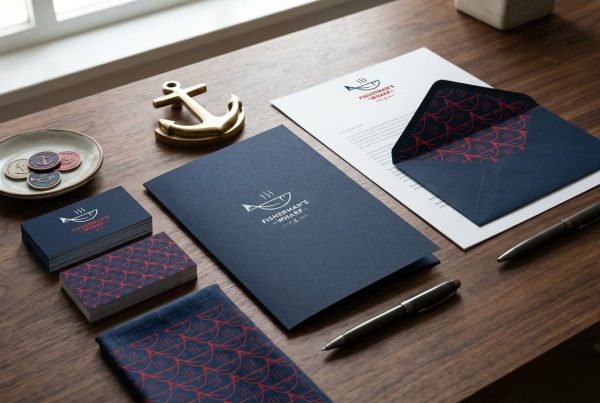
Brand Strategy & Identity Design for Fisherman’s Wharf
Brand Strategy & Identity Design for Fisherman’s Wharf

Spa Branding – Identity Design Case Study | Highly Persuasive
Spa Branding – Identity Design Case Study | Highly Persuasive

Café Brand Strategy & Identity Design for The Circle Café – Restaurant Branding
Café Brand Strategy & Identity Design for The Circle Café – Restaurant Branding

Brand Strategy & Identity Design for The Beestro – Pub Branding in Bangkok
Brand Strategy & Identity Design for The Beestro – Pub Branding in Bangkok
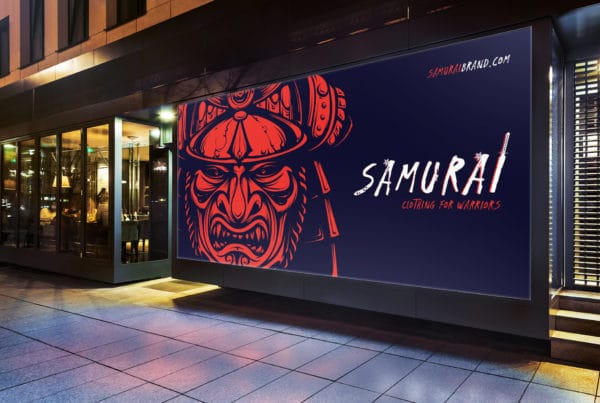
SAMURAI Brand Identity Design for Men’s Fashion
SAMURAI Brand Identity Design for Men’s Fashion

Mudon Construction — Corporate Brand Identity & Institutional Positioning
Mudon Construction — Corporate Brand Identity & Institutional Positioning
Trusted by Brands in B2B, Manufacturing, Industrial, Logistics, SaaS, Services, Consulting, F&B, Hospitality, Corporate & More

Quality Work
“Our customers are incredibly diverse, from families to healthy-eaters and vegans. We needed a brand that could speak to all of them. Highly Persuasive delivered a fresh, modern identity that perfectly captures our vibe. The new menu is a perfect example—it’s clearer, more appealing, and our average check size has increased by 15% in the 6 months since the rebrand.”
Hassan M, – Owner – The Hub Samui
Brand Identity Systems Make Every Other Marketing Investment Work Harder
A strong visual identity is a multiplier. Every marketing channel it’s applied to — paid search, content, trade media, LinkedIn, direct outreach — benefits from the credibility signal the identity carries. The same advertisement placed by a brand with strong visual authority and one with a generic identity produces different results, because the brand carrying the ad communicates something before the ad’s message is even read.
The inverse is equally true. Marketing investment through an identity that underperforms its market position amplifies a weak signal into a larger audience, which is expensive and often counterproductive. Companies in this position frequently increase marketing spend looking for the volume that will compensate for low conversion, without identifying that the conversion problem is a signal problem that more volume won’t fix.
The sequence that produces the strongest return: establish the brand strategy, build the identity system that expresses it accurately, then deploy marketing through that system. At that point, every channel benefits from the full weight of the identity — the authority it communicates, the consistency it maintains, the tier it signals. Paid search generates better-qualified leads because the landing experience maintains the credibility the ad created. Content builds authority faster because it’s attributed to a brand that already signals expertise. Direct outreach gets higher response rates because the sender’s visual identity communicates seriousness before the message is read.
This is why identity investment — approached strategically rather than aesthetically — belongs early in the brand build sequence, not as a finishing layer applied after marketing is already running. Once the system exists, every downstream investment in marketing and demand generation operates with a compounding advantage.
First Impressions That Place You in the Right Category Before Evaluation Begins
Procurement research consistently shows that buying committees form a categorical view of a supplier before engaging them — and that this view is formed primarily from visual and verbal signals encountered during independent due diligence, not from sales conversations. The company that looks like it operates at the contract level being pursued gets evaluated differently from the one that doesn’t. It gets more access to senior stakeholders, encounters softer price resistance, and receives more generous interpretation of its proof points.
This is the commercial mechanism behind identity investment for companies competing at serious contract sizes. The identity isn’t persuading anyone directly. It’s calibrating the category the buyer places the company in — and that categorisation sets the terms on which everything else gets evaluated.
The distinction is significant for companies that have outgrown their current identity. A manufacturing company that built its brand when it was turning over $5 million and is now pursuing contracts with multinationals at ten times that scale is often carrying a visual system built for an earlier version of the business. The identity communicates a tier of operation that no longer matches the capability, and buyers categorise accordingly. Updating the identity to reflect the current business — the actual scale of work, the genuine depth of expertise, the legitimate peer group — changes the categorisation, and with it, the commercial terms.
The Brand Gravity Momentum Session™ maps where this gap sits. For companies where identity is the primary friction point, the session identifies specifically what signals are creating the miscategorisation and what a targeted intervention would change commercially.
Consistency That Builds Trust Across Every Point in a Long Sales Cycle
Buyers encounter a company across multiple touchpoints before making a decision. The website. A proposal. A presentation deck. A LinkedIn profile. Business cards at an industry event. A capability statement shared internally with a committee who has never met you. Each of these touchpoints is an opportunity to reinforce the same signal — or to introduce inconsistency that erodes the trust being built.
Visual inconsistency across those touchpoints is more commercially costly than most companies realise. When a buyer encounters a polished website and then receives a proposal that looks like it was formatted in a different decade, the mismatch registers subconsciously as a reliability signal. The company that presents inconsistently in its materials may present inconsistently in its delivery. That logic isn’t applied consciously — it’s a pattern-match — but it’s applied. And in procurement decisions where the primary concern is risk reduction, pattern-matches that signal inconsistency work against the supplier.
A properly built identity system removes that variable. Every document, every digital asset, every physical material operates from the same visual logic — same typeface hierarchy, same colour application, same photographic register, same layout principles. The consistency isn’t about aesthetics. It’s about the cumulative signal across all touchpoints communicating the same message: this company is organised, coherent, and operating at the level it claims.
For companies with multiple team members producing materials independently — sales decks, proposals, LinkedIn posts, trade show materials — the Brand Guidelines document is the governance layer that maintains this consistency without requiring design review of every output. The system is designed to be usable by non-designers, producing on-brand outputs as the default rather than the exception.
Big Picture Brand Thinking in 20 Minutes
The positioning gap between your current signal and the one that wins the right work is almost always smaller than it looks from the inside.
Most brand opportunities aren’t visible from the inside. The positioning that could work harder for the company you are now. The messaging with clearer articulation that could accelerate decision velocity. The identity that strengthened in the right places, would better signal the level you’re already operating at.
The Brand Gravity Momentum Session™ is a free, 20-minute live working consultation. We look at your website, pitch materials, and key assets in real time — and identify the 3 to 5 areas with the greatest commercial opportunity. Where your brand could work harder, where clearer signal would reduce evaluation time, and where a targeted change would have the most impact on pipeline, pricing, or close rate. You leave with a clear picture of where the highest-value opportunities sit — and a recommended path to capture them.
Frequently Asked Questions — Brand Identity Design
1. What does a brand identity project actually involve from start to finish?
A brand identity engagement typically runs through four phases. The first is strategic briefing — establishing the positioning rationale, competitive context, target buyer profile, and the specific commercial signals the identity needs to communicate. This phase draws on brand strategy work if it exists, or involves a condensed positioning session if it doesn’t. The brief produced here is the design instruction: not “make it look premium” but “communicate authority to procurement teams at this contract level in this sector, in the context of these competitors.”
The second phase is concept development — typically two or three distinct creative directions developed to the point where the strategic intent of each is clear. These are evaluated against the brief, not against aesthetic preference. The third phase is refinement and system build — developing the chosen direction into the full identity system: mark variants, typography hierarchy, colour palette with application ratios, photography direction, and initial applications. The final phase is delivery — production files, guidelines document, and the application set agreed at the outset.
Most brand identity engagements run 8–12 weeks from brief to final delivery. Projects requiring extensive stakeholder review or large application sets run longer.
2. Do you lead with identity, or does strategy come first?
Strategy comes first. This is a principle we hold consistently, and it affects the quality of the identity work materially.
Identity built without a clear strategic foundation — without a defined market position, a precise target buyer profile, and an honest competitive context — is designed by aesthetic judgment rather than commercial brief. The result may be well-executed, but it’s well-executed in a direction that wasn’t determined strategically. That’s the difference between a designer making good creative decisions and a strategically-led identity system that’s making the right commercial ones.
When strategy precedes identity work, the design brief is specific. We know which tier of credibility the identity needs to signal. We know what the competitive visual landscape looks like and where the differentiation opportunity sits. We know which buyer profile the identity needs to land with, and how that buyer categorises credibility visually. The identity system that emerges from that brief is doing directed commercial work, not general aesthetic improvement.
For clients who come to us for identity work without existing brand strategy, we conduct a condensed positioning session before design begins. It adds time and it’s worth it every time.
→ Related: Brand Strategy
3. How is this different from hiring a graphic design studio?
A graphic design studio’s brief is creative execution — producing aesthetically resolved visual work to a specification provided by the client. The quality of the output depends on the quality of the brief they receive. If the brief is clear, specific, and strategically grounded, good design studios produce excellent work. If the brief is “make it look more professional” or “update the logo,” the output reflects the vagueness of the instruction.
The difference in a strategically-led identity engagement is that the brief doesn’t come from the client — it emerges from the diagnostic work. We assess the competitive landscape, map the buyer’s visual categorisation heuristics, identify where the current identity is creating friction, and establish the specific commercial signals the new system needs to send. That becomes the design brief. The creative work that follows is evaluated against commercial criteria, not aesthetic ones: does this mark communicate authority to a procurement team evaluating three shortlisted suppliers? Does this typography hierarchy signal the same tier as the contracts being pursued?
For companies where brand identity is a commercial instrument — not a decorative layer — that distinction is the difference between design that looks good and design that works.
4. What do we actually receive at the end of the engagement?
The deliverable set covers the full identity system and the materials needed to use it consistently. Primary files include: the logo and mark in all required formats (SVG, EPS, PNG at multiple resolutions, in primary, reversed, and monochrome variants), the typography specifications and licensed font files or usage documentation, the colour palette with Pantone, CMYK, RGB, and hex specifications, and the photography and imagery direction document.
Application files include the corporate identity set — business cards, letterhead, document template, proposal cover, presentation deck template, and email signature — in editable formats appropriate to the tools the team uses. Digital asset files cover web specifications and social media format templates.
The Brand Guidelines document covers all of the above as a reference and governance tool — usage rules, spacing and sizing standards, colour application ratios, don’ts, and the rationale behind the system’s core decisions. Supplied as a PDF and, on request, as a Figma or shareable digital format.
5. How long does brand identity design take, and what determines the timeline?
A focused brand identity engagement — mark, typography, colour, core applications, and guidelines — typically runs 8–10 weeks from confirmed brief to final delivery. The primary variables that extend timelines are stakeholder review rounds (each round adds approximately one week), the scale of the application set required, and whether brand strategy work needs to precede the identity development.
Projects that also include a full brand strategy engagement before design begins — which is the sequence we recommend — run 14–20 weeks end to end, with strategy occupying the first 6–10 weeks and identity development running from the agreed positioning brief through to delivery.
Every engagement begins with the Brand Gravity Momentum Session™ — a free 20-minute session where we assess the current identity signal, identify where the gaps sit commercially, and establish what the most appropriate scope and sequence would be for your situation.
6. What is brand identity design?
Brand identity design is the discipline of building the visual system that represents a company — the mark, the typography, the colour palette, the photographic language, and the rules governing how these elements are used across every application. It’s distinct from logo design (which is one element within it), from graphic design (which is the application of an existing system), and from branding broadly (which includes strategy, positioning, and messaging as well as the visual layer).
A complete brand identity system gives a company a coherent visual language — a set of elements that, used consistently, communicate the same impression of authority, tier, and personality across every buyer encounter. It’s the difference between a company that looks organised and credible at every touchpoint and one that looks different depending on who produced the most recent piece of collateral. In markets where buyers evaluate multiple suppliers under time pressure, that consistency is a trust signal. Visual coherence communicates operational coherence — and in B2B procurement, operational coherence is exactly what buyers are trying to assess.
7. What's the difference between a logo and a brand identity?
A logo is one element within a brand identity — the primary mark or wordmark that identifies the company. A brand identity is the complete visual system: the logo and its variants, the typefaces and their hierarchy, the colour palette and its application ratios, the photography and graphic style, the tone of layout and composition, and the rules governing how all of these are applied consistently. The logo is the most visible element of the identity, but it’s the system around it that determines whether the brand communicates coherently.
The practical distinction matters because companies frequently invest in logo redesign expecting it to solve a brand perception problem that the logo alone can’t fix. A new mark on a proposal that still uses dated typography, inconsistent colours, and low-quality photography produces a better logo surrounded by the same signals that were creating the problem. A complete identity system addresses all of the elements simultaneously, so that every touchpoint is upgraded rather than just the most visible one.
→ Related: Branding & Strategy
8. How much does brand identity design cost?
Brand identity design fees depend on the scope of the system being built and the level of application work required. A focused identity engagement — mark, core typography and colour, and a limited application set — typically falls in the $5,000–$15,000 range depending on scope. A complete identity system with full corporate identity applications, digital assets, collateral design, and a comprehensive guidelines document typically runs $15,000–$45,000. Larger organisations requiring multi-format rollout, sub-brand systems, or complex governance documentation sit above that range.
The more useful frame for most companies considering this investment is what the current identity is costing commercially — in deals evaluated at a lower tier than the company operates at, in proposals read with less credibility than the work warrants, in pricing concessions made because the brand doesn’t yet communicate the value being delivered. The Brand Gravity Momentum Session™ maps that calculation specifically: where the current identity is creating friction, what it’s costing in approximate commercial terms, and what the right investment level and scope would be for your situation.
9. What makes a strong brand identity for a B2B company?
In B2B contexts, a strong brand identity does something consumer identity doesn’t have to do as consistently: it communicates credibility under scrutiny. The buyer evaluating a professional services firm, an engineering consultancy, or a precision manufacturer is not primarily asking “do I like this brand?” They’re asking “can I defend choosing this company to my CFO and board?” The identity has to answer that question at the visual level, before the positioning or the proof is even assessed.
That means strong B2B identity is typically characterised by restraint rather than expressiveness — precise mark construction, clean typography, controlled colour palettes that signal sector competence rather than creative ambition, and photography that communicates the scale and quality of work rather than brand personality. It holds up under close inspection rather than making a strong first impression that erodes under scrutiny. It looks coherent across a proposal, a presentation deck, a business card, and a trade show stand — in contexts where senior buyers and procurement professionals are making comparative judgments.
Sector matters significantly. The visual register that signals credibility for a legal firm differs from the one that signals it for a logistics operator or a testing laboratory. Building an identity that performs in the specific competitive context — rather than applying a generic professional aesthetic — is the work that separates identity that helps from identity that is merely adequate.
10. What is a brand identity system?
A brand identity system is the complete set of visual elements and rules that govern how a brand looks and presents itself consistently across every context. Where a logo is a single mark, a brand identity system is the full visual language: how the mark appears in different formats and backgrounds, which typefaces are used and in which hierarchy, what the colour palette is and in what proportions it’s applied, what photographic and graphic style is used, how layout and composition is approached, and what the rules are for applying all of this consistently whether a sales team member, an external designer, or a marketing agency is producing the work.
The commercial purpose of a system — rather than a collection of individual brand elements — is consistency. Every document, every digital asset, every physical environment applies the same visual logic. That consistency produces a cumulative signal across all buyer touchpoints: the company is organised, coherent, and operating at the level it claims. For companies pursuing larger contracts, entering new markets, or competing against brands with stronger visual authority, the absence of a proper system is often where the credibility gap lives — not in the logo itself, but in the inconsistency around it.
Recent Clients
Built for high-trust, conversion-critical industries. Our work has increased revenue for B2B, hotels & resorts, SaaS, and real estate brands globally.










Your identity is the first thing every serious buyer encounters. It should be working as hard as the rest of the business.
Most identity gaps are visible the moment you see the brand through the buyer’s eyes. The Brand Gravity Momentum Session™ maps where the current visual signal is creating friction — and what a targeted intervention changes commercially.
The Brand Gravity Momentum Session™ is free, senior-led, and takes 20 minutes. We assess your current brand identity against the buyers you’re pursuing and identify where the signal gap sits. Or see the full Brand Gravity™ framework: The Brand Gravity™ System →