Restaurant Website Design Agency —
Restaurant Website Design That Serves More Than Looks
We design restaurant websites that do more than showcase your food — they bring your brand to life, capture your atmosphere, and turn curious visitors into confirmed bookings. From menus that tempt to mobile-first experiences that convert, we craft digital spaces that feed both appetite and action.
Based in Bangkok and working across Southeast Asia, we specialize in building hospitality websites that look delicious, load fast, and drive results — whether that’s more reservations, more online orders, or more people through the door.
Featured In






Recent Work
Our websites utilize best practices in persuasion, conversion optimization, motivation psychology, and direct response marketing. Feel free to browse these sites on desktop, laptop, tv, tablet, and mobile, as the design will automatically adapt to the device.
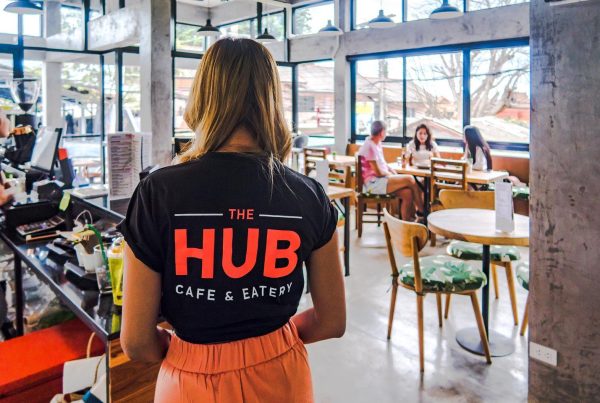
Cafe & Restaurant SEO Case Study: 478%+ Increase in Page One Keywords in 90 Days
Cafe & Restaurant SEO Case Study: 478%+ Increase in Page One Keywords in 90 Days
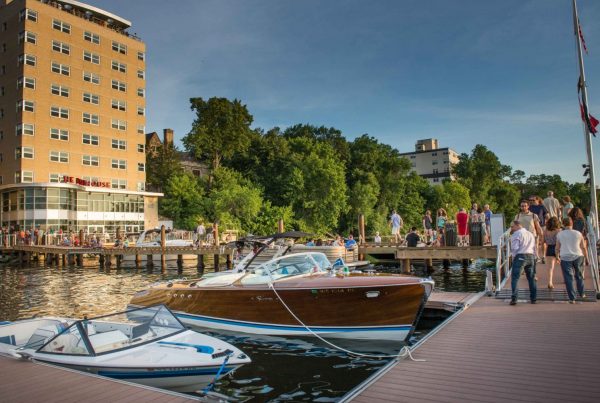
The Edgewater Hotel — Direct Booking Growth & Hotel Marketing Programme
The Edgewater Hotel — Direct Booking Growth & Hotel Marketing Programme
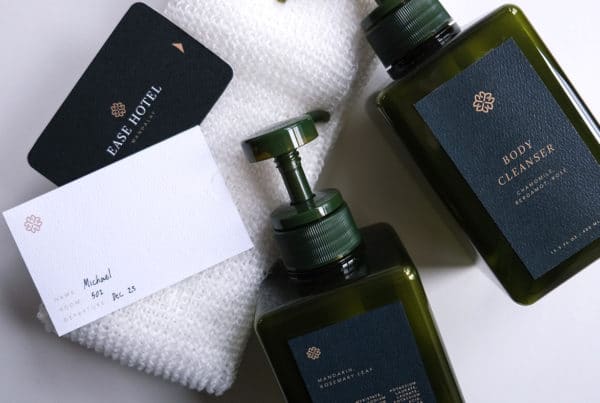
Hotel Brand Identity Design – Ease Hotel | Hospitality Branding Firm
Hotel Brand Identity Design – Ease Hotel | Hospitality Branding Firm

KSH Industrial — B2B Brand Identity System & Corporate Profile
KSH Industrial — B2B Brand Identity System & Corporate Profile

Koury Capital — Venture Capital Brand Identity & Institutional Credibility
Koury Capital — Venture Capital Brand Identity & Institutional Credibility

Hotel & Resort Branding Case Study – The Crystal – Koh Samui
Hotel & Resort Branding Case Study – The Crystal – Koh Samui
GGI Myanmar – B2B Industrial Brand & Market Repositioning
GGI Myanmar – B2B Industrial Brand & Market Repositioning
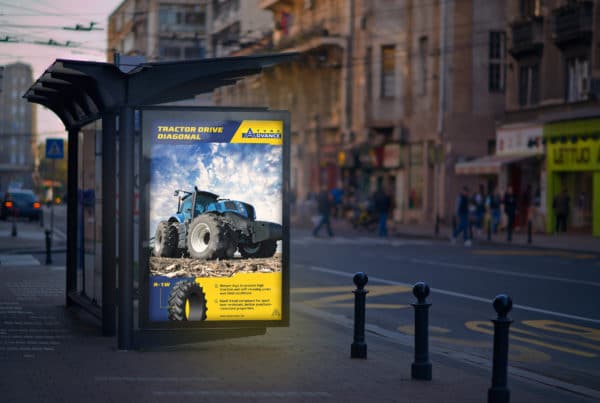
B2B Branding & Advertising Design for Advance Tyre – Industrial Marketing Case Study
B2B Branding & Advertising Design for Advance Tyre – Industrial Marketing Case Study

Cafe Brand Identity Design – The Hub Samui Case Study
Cafe Brand Identity Design – The Hub Samui Case Study
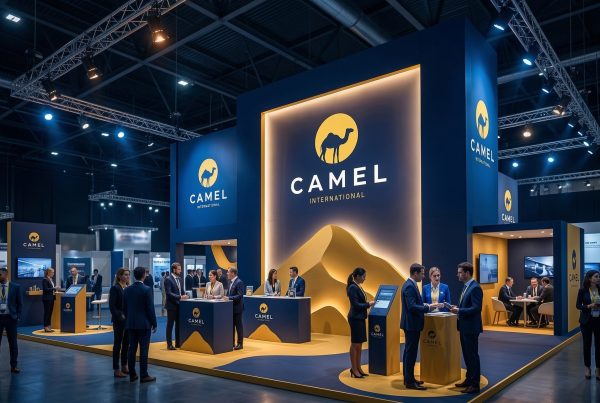
Camel International — B2B Food Ingredients Supply Chain Identity
Camel International — B2B Food Ingredients Supply Chain Identity
Kalima – Hotel Brand Video
Kalima – Hotel Brand Video
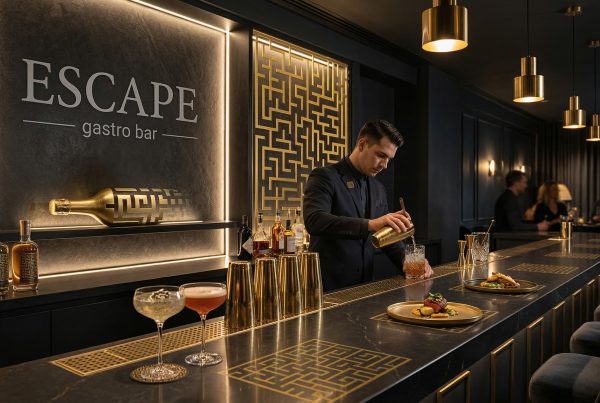
Restaurant Brand Strategy, Identity & Menu Design Case Study – Escape Gastro Pub
Restaurant Brand Strategy, Identity & Menu Design Case Study – Escape Gastro Pub
Restaurant & Cafe Web Design Services —Engineered for Performance

Conversion-First Layouts
Menus, reservations, and orders are just a tap away. We design every page to guide guests from appetite to action — filling seats, not just screens.

Behavior-Driven Analytics
Go beyond vanity metrics. Our tracking shows you what dishes get clicked, where people hesitate, and how they flow through your site — turning data into smarter decisions.

Multilingual for Global Diners
Serve locals and tourists alike. We build multilingual restaurant websites so your story — and your specials — resonate from Bangkok to Berlin.

Positioned to Stand Out
In a sea of similar eateries, we make you unmistakable. Through brand-first design and sharp messaging, we position your restaurant as the only choice worth choosing.

SEO-Optimized Structure
From schema to meta, we build with search visibility baked in. Your restaurant shows up where hungry people search — Google Maps, mobile, and “near me” results.

Blazing-Fast Page Speed
Slow sites lose diners. We optimize your site for lightning load times on every device — so guests stay hungry for you, not your competitors.

Visual Food & Beverage Design
Forget cookie-cutter templates. We design visually rich, appetite-whetting websites that showcase your food, mood, and style from the first click.

Content That Craves Attention
We write menus, headlines, and CTAs that don’t just describe — they seduce. Every word earns its place, balancing brand voice with search performance.

Post-Launch Support & Updates
From seasonal menu uploads to promo integration, we keep your site fresh and functional long after launch — because restaurants never stand still.
Restaurant Website Design That Shows (and Sells) the Experience
Websites Built to Showcase Menus, Atmosphere & Specials with Style
Your restaurant’s website shouldn’t just exist — it should entice. We design visually immersive websites that do justice to your menu, capture your space’s vibe, and give guests a taste of what makes you different before they ever walk in the door.
From mobile-first layouts that make your dishes pop to strategically placed CTAs that drive reservations or orders, every part of your site is designed to show off what matters most — and get people through the door.
🔹 Make Your Menu Crave-Worthy Online
We don’t just upload menus — we craft experiences. With beautiful formatting, mobile optimization, and interactive options (photos, tags, specials), we help your dishes sell themselves.
🔹 Capture the Atmosphere, Not Just the Address
Whether it’s candlelit chic or daytime casual, we bring your restaurant’s personality to life online. Full-width photography, video loops, and scroll-triggered transitions give guests a feel for your space before they book.
🔹 Showcase What’s Fresh, Seasonal, or Special
Running a lunch promo? Hosting events? Got a new dish to feature? We build in easy-to-update specials modules and promotional spaces so you can keep your site as fresh as your kitchen.
SEO-Optimized Restaurant Websites That Drive Bookings & Foot Traffic
We Design with Google & ChatGPT in Mind — So You Show Up When It Matters Most
Your restaurant’s website should do more than exist — it should attract. That’s why every site we build is SEO-optimized from the ground up: clean code, lightning-fast load times, structured content, and keyword-rich metadata that gets you found when people are searching for their next meal.
We don’t just chase rankings — we engineer visibility that brings the right visitors at the right time: locals looking for dinner tonight, tourists searching “best café near me,” or couples planning a birthday dinner.
🔹 Rank for What Hungry People Actually Search
Whether it’s “romantic dinner Bangkok,” “best Thai food in Chiang Mai,” or “vegan café near me,” we build your site to show up for high-intent searches that convert into covers.
🔹 Dominate Local & Mobile Search
We structure your site and metadata to win in local SEO — Maps, mobile, and proximity-based results. You become the first place people find, and the last place they need to look.
🔹 Attract Guests Ready to Dine
We align your content and UX with decision-making moments — helping diners move from search to table with no friction.
🔹 Grow Long-Term Revenue, Not Just Traffic
Ranking isn’t about ego — it’s about bookings. Our SEO-first approach brings in consistent, compounding traffic that fills tables day after day.
Transform Your Online Presence into a Revenue-Generating Brand Asset
Set your business apart in an increasingly noisy digital space. At Highly Persuasive, we craft online identities that are more than just visible—they’re unforgettable. Our branding-first web design approach positions your business with precision and clarity, turning first impressions into lasting relationships—and traffic into revenue.
🔹 Stand Out with Strategic Branding
Your brand should stop the scroll and stay in people’s minds. We design digital identities that connect emotionally and differentiate instantly—rooted in positioning strategy, not just aesthetics.
🔹 Your Website = Your Smartest Sales Tool
Think beyond a digital brochure. We craft websites that guide visitors through your brand story and move them to act—turning casual visits into qualified leads and warm prospects into paying clients.
🔹 Leverage Data for Competitive Advantage
We integrate advanced analytics, heat mapping, and performance metrics to track user behavior in real time—then use those insights to refine messaging, design, and UX for maximum business impact.
Design isn’t just how it looks. It’s how it sells. Let’s build you a brand that performs as well as it looks.
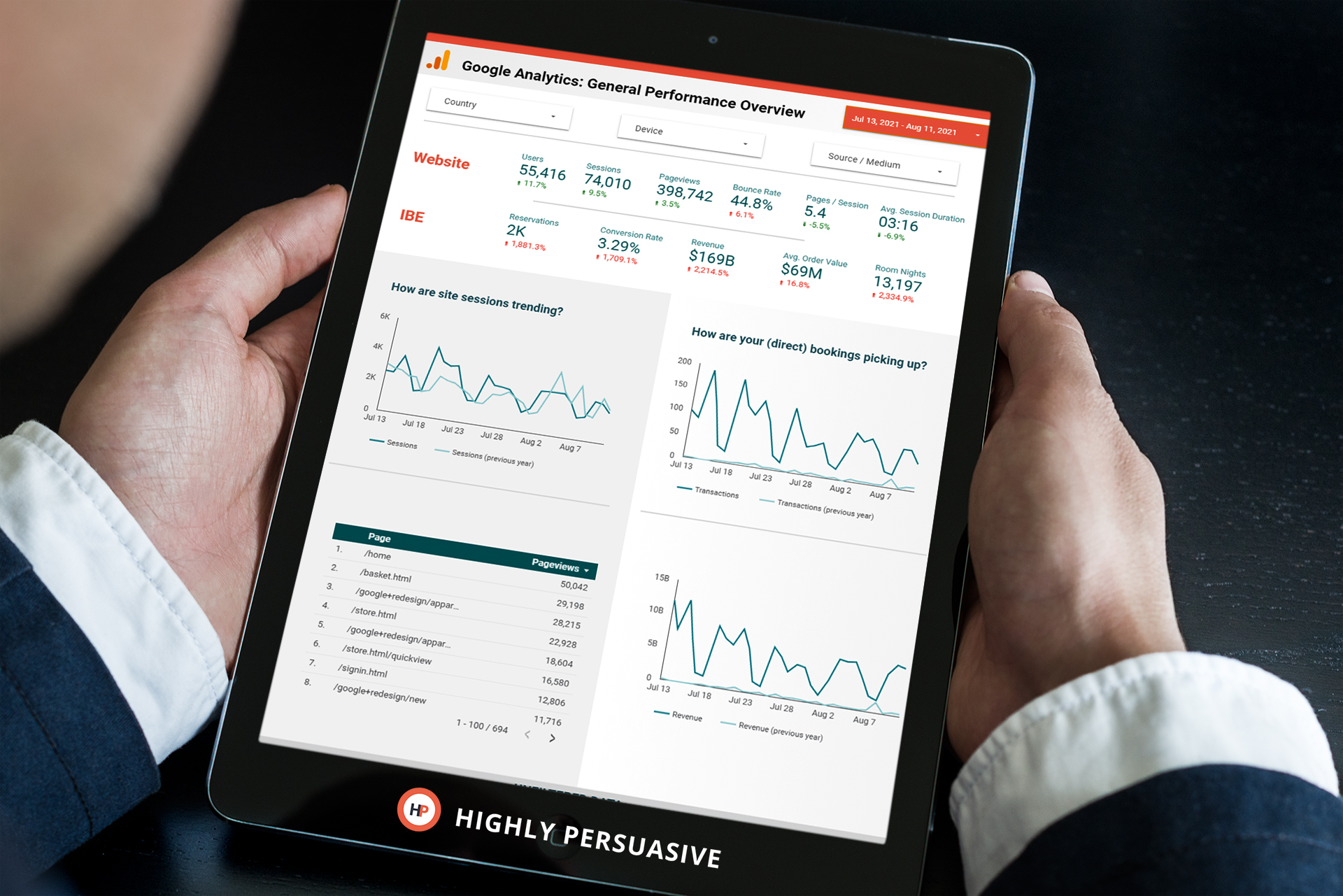

1. Discovery – Define Goals, Clarify Direction
We begin by understanding your business, audience, and objectives. Through structured workshops and stakeholder interviews, we uncover the key insights that shape everything—your positioning, priorities, and ideal outcomes.
Goal: Align your site with your marketing, sales, and growth strategy.
2. Strategy: Desing With Purpose
This is where we architect your site’s success. We plan user journeys, define conversion goals, map content structure, and align the site’s voice and visuals with your brand’s strategic intent.
Outcome: A blueprint that turns business goals into functional, persuasive design.
3. Design & Build: Craft The Experience
With strategy in place, we move into creation. From UX wireframes to responsive layouts and CMS development, every element is engineered for speed, clarity, and conversion. Fully tested. Fully optimized.
Focus: Fast, mobile-first, SEO-ready, and crafted for persuasion.
4. Launch & Optimize: Evolve Post Launch
Going live isn’t the end—it’s the beginning. We monitor performance, run analytics, and refine based on real user data. Your site stays aligned with your goals as your business evolves.
Long-term value: Continuous improvement, smarter iteration, and measurable ROI.
Restaurant Website Design – Frequently Asked Questions
How can a custom website design boost reservations for a fine dining restaurant?
A custom website is more than digital window dressing — it’s the first impression your fine dining restaurant makes on potential guests. In a space where ambience, exclusivity, and detail define the experience, a templated or outdated website can dilute your positioning and cost you high-value bookings.
Fine dining is all about perception engineering. The elegance, the restraint, the promise of quality — all of it must be mirrored online. A well-designed website reinforces your restaurant’s value before guests ever step through the door. Think of it as your maître d’: poised, polished, and persuasive.
First, the design must reflect your brand identity — from color palettes and typography to image style and layout rhythm. A Michelin-worthy experience shouldn’t be paired with stock imagery and janky navigation. Every detail — from hero sections to menu interactions — should feel intentional and immersive.
Menus, reservation systems, and private dining options must be intuitive and friction-free. Visitors expect to find your tasting menu or wine list easily, without pinching and zooming or downloading PDFs. A mobile-first layout ensures elegance across all devices — vital for affluent diners who book from their phones.
High-end guests are looking for trust signals. That means showcasing press coverage, awards, guest reviews, and chef bios. Your About page isn’t fluff — it’s storytelling that reinforces expertise and exclusivity.
A custom website also allows for advanced integrations: OpenTable widgets, real-time availability, private dining inquiries, and high-end event booking flows. The smoother the process, the more likely the user completes it.
In short: custom web design doesn’t just display your restaurant — it dramatizes the experience, reduces friction, and persuades the kind of clientele who expect excellence from pixel to plate.
What features make a website valuable for hotel F&B outlets?
Hotel food and beverage venues face a unique challenge: you must capture the attention of both in-house guests and external visitors. Many hotel restaurants suffer from being “hidden in plain sight” — visible only to those already on the property. Your website should change that.
First, integration is key. While your venue may exist as a section on the hotel’s main website, creating a dedicated microsite or branded landing page for each outlet dramatically boosts discoverability, SEO value, and user experience.
Your site should feature dynamic, browsable menus — updated frequently to reflect seasonal dishes or promos. No PDFs. Modern users want mobile-friendly experiences where they can scan starters, check for dietary tags, or explore wine pairings effortlessly.
Visual storytelling is paramount. Large, cinematic photography of your dishes, interiors, and ambience turns curiosity into desire. Add video backgrounds or slow-motion chef shots to evoke the luxury and care you put into each plate.
Clear calls-to-action are critical. Whether it’s “Book a Table,” “Reserve for Afternoon Tea,” or “View Sunday Brunch Menu,” each click should lead users closer to conversion. If you host live events, pop-ups, or chef’s tables, ensure they’re featured on a dedicated “What’s On” page.
Localized SEO is another vital element. Optimizing your venue’s site for terms like “best rooftop bar Bangkok” or “hotel buffet brunch Sukhumvit” positions you in front of hungry searchers before they check into the hotel.
Don’t forget cross-promotion. Highlight how your restaurant, bar, or café enhances the hotel experience — and vice versa. Entice walk-ins with parking validation, happy hour specials, or “stay and dine” offers.
The result? A site that not only reflects your outlet’s quality but actively drives new guests — both from inside and beyond the hotel walls.
Why do food trucks need a professional website—even if they move around?
It’s tempting to think food trucks can get by on just Instagram or Facebook. After all, you’re mobile, casual, and in-the-moment. But the truth is: a well-designed website is a central hub that anchors your brand in the digital world — and fuels loyalty, discovery, and orders.
For starters, foodies Google. They search for “best tacos in Chiang Mai” or “Bangkok food truck near me.” A social media page won’t always show up in those results — but a well-structured website with location keywords will.
A professional site gives you a home base for your brand story, schedule, menu, and customer reviews — all in one place. You can showcase your origins, your style, your ingredients. You’re not just a truck — you’re a brand with a personality and a following.
Menus are often difficult to manage on social platforms. On your website, you can offer a fully interactive menu, with images, dietary labels, prices, and even online ordering or pre-orders — especially useful during events or lunch rushes.
Don’t underestimate the power of a schedule and location tracker. Whether it’s a weekly schedule, an embedded map, or a live Instagram feed, showing where you’ll be and when is a massive trust-builder. It eliminates friction and encourages spontaneous visits.
You can also collect emails for a newsletter or SMS list to alert fans of your next event or new menu item. The people who love you want more of you — a website gives you a platform to keep the relationship going.
Even partnerships, catering gigs, and event invites often begin with “do they have a website?” Looking polished online opens new revenue channels beyond street service.
In short: your wheels move, but your brand needs roots. A good website gives your food truck permanence, professionalism, and a platform to grow beyond the curb.
How should cafés optimize their online menu for conversions?
Your online menu isn’t just information — it’s persuasion. For cafés, especially those competing in dense urban areas or lifestyle-driven destinations, your digital menu is a critical moment in the customer journey. It’s where decisions are made: Do I go? Do I order now? Do I share this spot with a friend?
To convert interest into action, your café’s online menu should be visual, mobile-first, and emotionally appetizing.
Start with visual presentation. Photos sell food. People eat with their eyes first — and that’s especially true online. Instead of listing “Avocado Toast – 180 THB,” show it: crisp bread, vibrant avocado, crumbled feta, herbs. If you’re not using photos, you’re relying on imagination — and imagination rarely drives impulse.
Avoid PDFs. They’re clunky, non-indexable for SEO, and painful on mobile. Instead, embed your menu into your site with interactive, scroll-friendly design that works seamlessly across all screen sizes. Make sure it loads fast and is easy to skim.
Next, add structure and navigation. Divide your menu into intuitive categories — coffee, breakfast, light bites, desserts, vegan-friendly — and use anchor links so users can jump to the section they want. Better yet, add dietary tags (V, GF, DF) for transparency and speed.
Highlight hero items or bestsellers with badges, photos, or placement at the top. Think: “Most Popular” or “Staff Pick.” These cues reduce decision friction and give new customers a reliable nudge.
If your café offers seasonal items or limited-time specials, feature them prominently. This creates urgency and makes your menu feel alive, not static.
Integrate action prompts wherever it makes sense: “Order Now,” “Book a Table,” “Get It Delivered.” If you offer click-and-collect or pre-orders, make sure those flows are short and intuitive.
Finally, think about SEO. Your menu is one of the highest-traffic pages on your site. Use descriptive item names, include keyword-rich alt text for images, and make your items searchable — not hidden inside images or PDFs.
A well-optimized café menu isn’t just about showing what you serve — it’s about making people feel hungry now, and giving them zero reason to hesitate.
What should coffee shops include in their websites to build loyalty and foot traffic?
Coffee shops aren’t just caffeine dispensaries — they’re lifestyle hubs, creative corners, and daily rituals. Your website should reflect that. While not every guest will book ahead or order online, your digital presence can still dramatically increase foot traffic and brand loyalty — if it’s built right.
Start with a strong sense of place. Use photography and video that shows your space, not just your drinks. People choose cafés as much for the vibe as the menu. Showcase your seating, lighting, greenery, and community feel. Make them imagine themselves there — working, chatting, relaxing.
Your homepage should answer: “Why here, not somewhere else?” Whether it’s locally roasted beans, a minimalist Nordic aesthetic, or community poetry nights, define your edge and say it clearly.
Include live menu integration, even if it’s simple. People want to know what’s available — from pastries to cold brews. Add notes on specials, rotating beans, or limited blends. Bonus points if you show origin info or tasting notes — coffee lovers geek out on detail.
Make it easy for new customers to find you. Embed a Google Map, include parking or transit info, and show opening hours clearly. If you’re near a co-working space, tourist zone, or university, mention it — search engines love local relevance.
Build loyalty by integrating your loyalty program digitally. Whether it’s a stamp card, referral system, or pre-pay credits, give users a reason to come back. Add a newsletter or SMS signup for new roast launches or event invites.
Don’t forget content. A blog or “Brew Journal” with tips, behind-the-scenes stories, or bean education builds trust, boosts SEO, and deepens connection.
In short: your coffee shop website should be as welcoming, consistent, and interesting as your barista. Make it feel like your café — but online.
How can bars and pubs use web design to promote events and specials?
For bars and pubs, your digital presence has a job to do: fill seats, promote events, and keep people coming back. Unlike restaurants, where people plan in advance, bar traffic is often spontaneous. That means your website must deliver clear, timely, and persuasive information — fast.
First up: highlight your vibe. Use imagery and tone that matches your energy — upscale cocktail bar? Rustic Irish pub? Tropical beach hangout? Your design, copy, and visuals should instantly set the scene for what guests can expect.
Next, make your calendar and specials front-and-center. Whether it’s live music, quiz night, happy hour, or game screenings, your events should be visible from the homepage — ideally in a rolling feed, pop-up bar, or hero image banner.
Use landing pages for recurring events. A well-optimized “Live Music Friday” page with keywords like “live music bar Bangkok” or “best cocktails with DJ” can bring in fresh organic traffic every week. Add performer bios, drink menus, and CTAs like “Reserve Your Spot” or “Book a Table.”
Photos and short videos of packed nights, signature drinks, and crowd energy are social proof gold. Embed Instagram feeds, use real testimonials, and keep the content current. A site showing outdated promos is worse than no site at all.
Build in conversion tools: birthday booking forms, private party inquiries, or group deals. Make it stupid-easy to say “yes.”
And don’t forget your hours, location, and map. Many people search on mobile seconds before deciding. Make sure your info is structured for mobile search and appears in local listings.
Bottom line: Your bar’s site should do what your best bartender does — welcome people, get them excited, and give them a reason to stay (and come back).
Why are responsive websites essential for beach clubs and seasonal venues?
Beach clubs and seasonal venues face a unique challenge: their window of opportunity is short, their traffic is mobile-heavy, and their brand is often tied to location, weather, and vibes. A responsive website isn’t optional here — it’s the difference between a full guest list and a forgotten listing.
Let’s start with the obvious: your customers are on their phones. They’re scrolling Instagram, googling “beach club near me,” or tapping “best sunset bars” while lounging by the pool. If your website doesn’t load fast, look great, and work flawlessly on mobile, you’ve already lost them.
A responsive website adapts to screen size, orientation, and user context — whether someone’s browsing from an iPhone on the beach or checking hours from a tablet in their hotel room. It ensures zero friction between interest and action.
Equally important: seasonal fluidity. Beach clubs often have shifting hours, events, menus, and weather-dependent updates. A flexible, CMS-driven site allows you to change messaging on the fly — highlight tonight’s DJ, cancel brunch due to rain, or promote a flash booking offer — without code headaches.
Responsive sites also boost local SEO. Google rewards mobile-first design, especially for local businesses. A well-structured, mobile-optimized site means you show up in key searches like “beach club Koh Samui” or “Phuket day party with pool.”
In a category where image is everything, responsiveness also means your visual content shines. High-res imagery, full-screen sliders, or drone footage must load quickly and scale perfectly — otherwise, they’re just laggy liabilities.
Add in booking buttons, guestlist forms, VIP inquiries, and WhatsApp contact integration — all mobile-native features — and you create a seamless funnel from curiosity to confirmed table.
The takeaway? Responsive web design isn’t a technical detail — it’s your venue’s frontline salesperson. Make it work everywhere, all the time, or risk missing your moment in the sun.
What SEO tactics work best for local F&B businesses looking to attract nearby customers?
For local restaurants, cafés, bars, and food trucks, SEO isn’t about global visibility — it’s about winning the block. Your goal isn’t to outrank New York Times recipes — it’s to dominate “burgers near me,” “best brunch Bangkok,” or “live music pub Sukhumvit.”
Here’s how to do it:
Start with Google Business Profile optimization. This is the single most powerful lever for local search visibility. Claim and complete your listing, add photos regularly, update your hours, respond to reviews, and post events or offers. It’s not just a listing — it’s your mini-homepage on Google.
Then move to on-page SEO. Use clear NAP data (Name, Address, Phone) across your site. Embed a Google Map, add local schema markup, and include service-area keywords in page titles, meta descriptions, and headers. Examples: “Vegan café in Chiang Mai,” “Beachfront dining Samui,” “Craft beer bar Bangkok.”
Create location-specific landing pages if you serve multiple areas. Don’t cram every city into one page — build content-rich subpages with tailored offers, menus, and customer testimonials.
Build backlinks from local directories, event listings, blogs, and press. Coverage from local influencers or hospitality roundups gives you both SEO juice and street cred.
Use your menu and blog for keyword opportunities. Write about seasonal dishes, cooking tips, behind-the-scenes chef content, or neighborhood guides. This adds depth, relevance, and fresh content Google loves.
And finally: optimize for mobile UX and speed. Most local F&B searches are mobile. If your site’s slow, confusing, or hard to tap through, you’re invisible — even if you’re #1 in the rankings.
Local SEO is about showing up at the right time, for the right people, in the right place. And that starts with structure, speed, and storytelling.
How can integrated online ordering or booking systems improve restaurant revenue?
Let’s face it: customers expect convenience. Whether it’s a quick takeaway order, a Saturday night reservation, or a pre-paid tasting menu — they want the whole journey to be frictionless, fast, and mobile-friendly. That’s where integrated systems shine.
An embedded ordering system (not a third-party app redirect) keeps users on your site and in your brand. It gives you full control over the UX — no platform fees, no design clashes, no competing promotions.
For takeout-focused businesses, native ordering systems reduce abandoned carts and drive repeat orders. Add upsell prompts, “people also ordered,” and real-time inventory to increase average order value and customer satisfaction.
Restaurants offering dine-in benefit from integrated reservation platforms like OpenTable, ResDiary, or TableCheck — especially when the booking widget is elegantly designed into your site. Guests can view availability, reserve, and even pre-select menus — all in a few taps.
Pre-paid bookings reduce no-shows. For tasting menus or high-demand slots, offering a payment gateway at the booking stage ensures commitment and cash flow upfront.
Then there’s data. Integrated systems let you collect first-party data — names, emails, dietary preferences, visit frequency. You can use this to build a CRM, trigger rebooking campaigns, or personalize future offers.
Need to manage events or private bookings? Embedded inquiry forms with lead capture streamline the sales process — no more lost DMs or missed calls.
Ultimately, integrated systems turn your website from a brochure into a transactional engine. They meet modern expectations while improving your margins, insights, and operational flow.
What type of website content resonates most with food & beverage audiences?
Food and beverage brands live and die by sensory appeal and emotional resonance. Your website content should reflect that — prioritizing visual storytelling, trust signals, and experiential language.
First, focus on hero visuals. Full-width photography of your dishes, cocktails, interior, and staff is non-negotiable. If you serve ambience, mood, or energy — show it. Consider slow-motion or ambient video headers for high-impact immersion.
Menus should be dynamic and interactive — not static PDFs. Add photos, short descriptions, badges for bestsellers or dietary preferences. Keep it easy to browse, filter, and act on.
Your copy should evoke flavor, atmosphere, and aspiration. Use sensory language that paints a scene: “slow-braised,” “sun-drenched terrace,” “aromatic spices.” Help guests imagine the moment before they even step inside.
Include human stories. A paragraph on the chef’s journey, a spotlight on your signature dish, or a behind-the-bar Q&A builds connection and memorability.
Social proof is key. Include real customer reviews, Google star ratings, and press mentions. Feature user-generated Instagram content to show your brand in the wild.
Update your events and specials regularly. A site that looks active and current signals relevance — and Google rewards fresh content too.
And don’t forget: your About page and Contact page are conversion levers. Guests want to know who you are, what you stand for, and how to reach you quickly.
The F&B audience doesn’t need to be convinced to eat or drink — they need to be inspired to choose you. Content that shows, tells, and sells at the same time wins every time.
Client Reviews & Testimonials
Some Of Our Clients















Let’s Make What You Offer Impossible to Ignore
If you’re serious about elevating how your business shows up, sells, and gets remembered — let’s talk.
Tell us a bit about where you are and what you want to change.